
Introduction
When planning public or commercial restrooms, a key question arises: “How can I design a restroom that is truly accessible for people with disabilities?” or “What features should I include to ensure safety, comfort, and independence?”
Accessibility is no longer optional—it’s a legal and ethical requirement. Properly designed toilet cubicles ensure that everyone, regardless of physical ability, can use restrooms safely and comfortably. As a leading Toilet Cubicles Partitions Manufacturer, Ryka Restroom Cubicles specializes in creating solutions that meet accessibility standards while maintaining durability and aesthetics.
This guide explores:
- Accessibility principles for restroom design
- Key features for disability-friendly cubicles
- Material and safety considerations
- Case studies and practical tips for selecting the right manufacturer
1. Why Accessible Restrooms Matter
A common voice-search style question is: “Why are restrooms for people with disabilities important?”
Accessible restrooms are vital because:
- They allow independence and dignity for people with physical challenges
- They reduce the risk of accidents in public facilities
- Compliance with local accessibility laws avoids legal penalties
Ryka Restroom Cubicles focuses on designs that empower users while ensuring safety and privacy.
2. Size and Space Requirements
Voice-search question: “How much space is needed for a disabled-friendly toilet cubicle?”
- Adequate turning radius: A minimum of 1.5 meters ensures wheelchair users can maneuver comfortably
- Door width: At least 900mm wide to allow easy entry and exit
- Clear floor space: Ensures mobility devices like walkers or crutches can be used safely
Proper space planning is the first step in creating an accessible restroom that promotes safety and independence.
3. Door Design and Accessibility
Many ask: “What kind of doors work best for disabled-friendly restrooms?”
- Automatic or push/pull doors: Minimize physical effort
- Lever handles: Easier to operate than knobs
- Outward-swinging doors: Prevent accidents inside the cubicle
- Soft-close mechanisms: Prevent doors from slamming, reducing injury risk
Ryka Restroom Cubicles incorporates these door designs to enhance usability for people with disabilities.
4. Grab Bars and Support Fixtures
A common voice-search question: “What support features should be included in accessible cubicles?”
Grab bars are essential for safety and mobility:
- Horizontal and vertical bars near toilets
- Bars near sinks for additional support
- Anti-slip finishes to prevent falls
- Adjustable heights to accommodate different users
These fixtures ensure stability and reduce accidents, providing a safer environment for disabled users.
5. Toilet Height and Seat Design
Another question: “What is the recommended toilet height for disabled users?”
- Raised toilet seats (17–19 inches): Easier for wheelchair users to transfer
- Comfortable seat design: Minimizes strain and enhances stability
- Back support: Optional, but beneficial for elderly or physically challenged users
Proper toilet height and seat ergonomics are crucial for comfort and safety.
6. Sink and Faucet Design
Voice-search question: “How should sinks and faucets be designed for accessibility?”
- Lowered sink height: Around 800mm to accommodate wheelchair users
- Lever or sensor faucets: Reduce manual effort
- Clear space underneath sinks: Allows wheelchair footrests to fit
- Anti-scald features: Prevent burns from hot water
Accessible sinks enhance independence and reduce frustration for users.
7. Flooring and Slip Resistance
A practical question: “Which flooring is safest for disabled-friendly restrooms?”
- Non-slip materials: Reduce fall risks in wet areas
- Seamless or minimal grout: Easier to clean and prevents tripping hazards
- Contrasting colors: Help visually impaired users identify edges and boundaries
Durable and slip-resistant flooring is essential for user safety and confidence.
8. Signage and Wayfinding
Many wonder: “How can signage help disabled users in restrooms?”
- Clear, visible signs at appropriate heights
- Braille or tactile markings for visually impaired users
- Color contrast for easy recognition
- Directional signs in hallways leading to accessible facilities
Proper signage ensures accessibility from the entrance to the restroom, making spaces inclusive.
9. Emergency and Safety Features
Voice-search style question: “What emergency features should accessible cubicles have?”
- Emergency pull cords or buttons within reach
- Alarms linked to staff or security
- Backup lighting in case of power failure
- Rounded edges and smooth finishes to prevent injuries
These features provide peace of mind and safety for all users.
10. Material Selection for Accessibility
A natural question: “Which materials are best for durable, accessible toilet cubicles?”
- High-Pressure Laminates (HPL): Impact-resistant, moisture-proof, and easy to clean
- Phenolic panels: Strong, waterproof, and ideal for high-traffic areas
- Powder-coated metals: Durable, secure, and low-maintenance
Choosing quality materials ensures longevity and reduces maintenance costs while enhancing safety.
11. Lighting and Ventilation
Many ask: “How important are lighting and ventilation in accessible restrooms?”
- Bright, even lighting: Improves visibility and reduces accidents
- Motion-sensor lights: Reduce effort for users with mobility challenges
- Proper ventilation: Maintains hygiene and prevents moisture buildup
- Emergency lighting: Essential in case of power failure
Well-lit and ventilated spaces increase comfort and safety for all users.
12. Inclusive Design Considerations
Voice-search question: “How can restrooms be made inclusive for everyone?”
- Multiple cubicle sizes to accommodate various disabilities
- Family restrooms for parents with children and disabled family members
- Adjustable accessories (mirrors, dispensers) for wheelchair users
- Accessible hand dryers and tissue dispensers
Inclusive design ensures that everyone can use facilities independently and safely.
13. Case Studies: Real-World Implementation
Corporate Office
- Problem: Employees with mobility issues reported difficulty using standard restrooms.
- Solution: Installation of full-height phenolic partitions with grab bars, lowered sinks, and emergency alarms from Ryka Restroom Cubicles.
- Outcome: Improved accessibility, enhanced employee satisfaction, and compliance with accessibility regulations.
Educational Institution
- Problem: Students with disabilities had limited restroom options.
- Solution: HPL cubicles with ample turning space, proper signage, and sensor faucets were installed.
- Outcome: Reduced barriers for disabled students, improved hygiene, and easier maintenance.
Hospital Facility
- Problem: High patient turnover and varying mobility needs required a flexible restroom design.
- Solution: Modular phenolic partitions with adjustable features and anti-slip flooring.
- Outcome: Safer, cleaner, and accessible restrooms for patients, visitors, and staff.
14. Selecting the Right Toilet Cubicle Partitions Manufacturer
Voice-search style question: “How do I find a trusted manufacturer for accessible cubicles?”
Look for:
- Experience in creating ADA-compliant or accessibility-compliant cubicles
- Customization options for different disabilities
- Durable materials and robust construction
- After-sales support, installation services, and warranties
Ryka Restroom Cubicles excels in delivering safe, accessible, and stylish partitions tailored to diverse requirements.
15. Cost and Long-Term Benefits
A practical question: “Is investing in accessible cubicles worth it?”
- Reduces liability and ensures compliance with accessibility regulations
- Minimizes maintenance costs due to durable materials
- Enhances facility reputation as inclusive and safe
- Provides comfort, dignity, and independence for users
Investing in quality accessible cubicles provides both social and economic returns over time.
16. Future Trends in Accessible Restroom Design
Many ask: “What trends are shaping restrooms for people with disabilities?”
- Smart cubicles with occupancy sensors and automated alerts
- Modular designs for flexible space utilization
- Eco-friendly, water-saving fixtures
- Advanced safety and hygiene features
Manufacturers like Ryka Restroom Cubicles are at the forefront of integrating these innovations while maintaining safety and compliance.
Conclusion
Accessible restrooms are essential for ensuring safety, comfort, and dignity for people with disabilities. High-quality toilet cubicles from a trusted Toilet Cubicles Partitions Manufacturer like Ryka Restroom Cubicles provide:
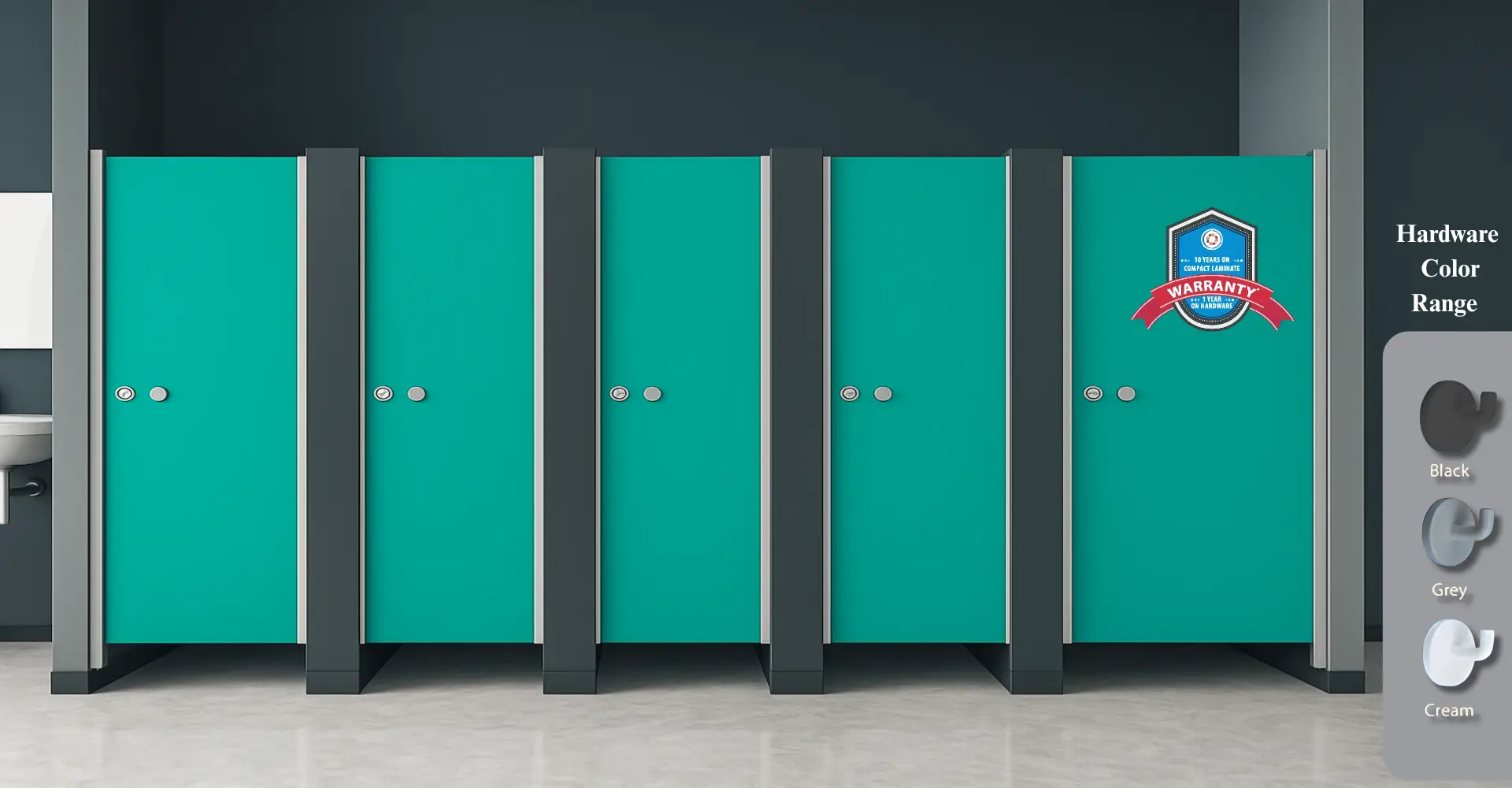
- Spacious layouts and full-height partitions
- Grab bars, support fixtures, and emergency features
- Durable, low-maintenance materials
- Inclusive and hygienic designs for all users
By prioritizing accessibility, organizations not only comply with regulations but also create inclusive, safe, and welcoming environments for everyone.