
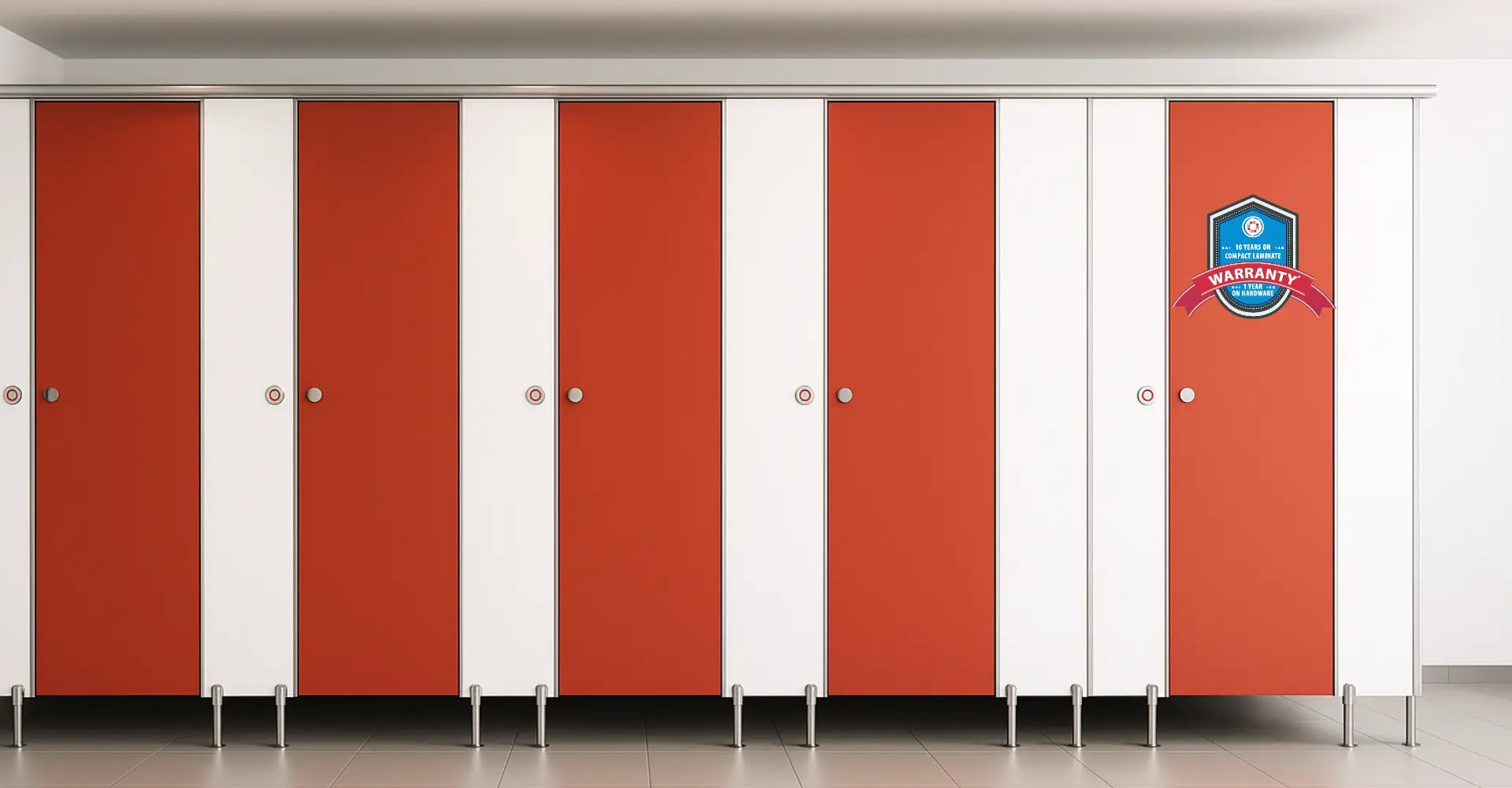
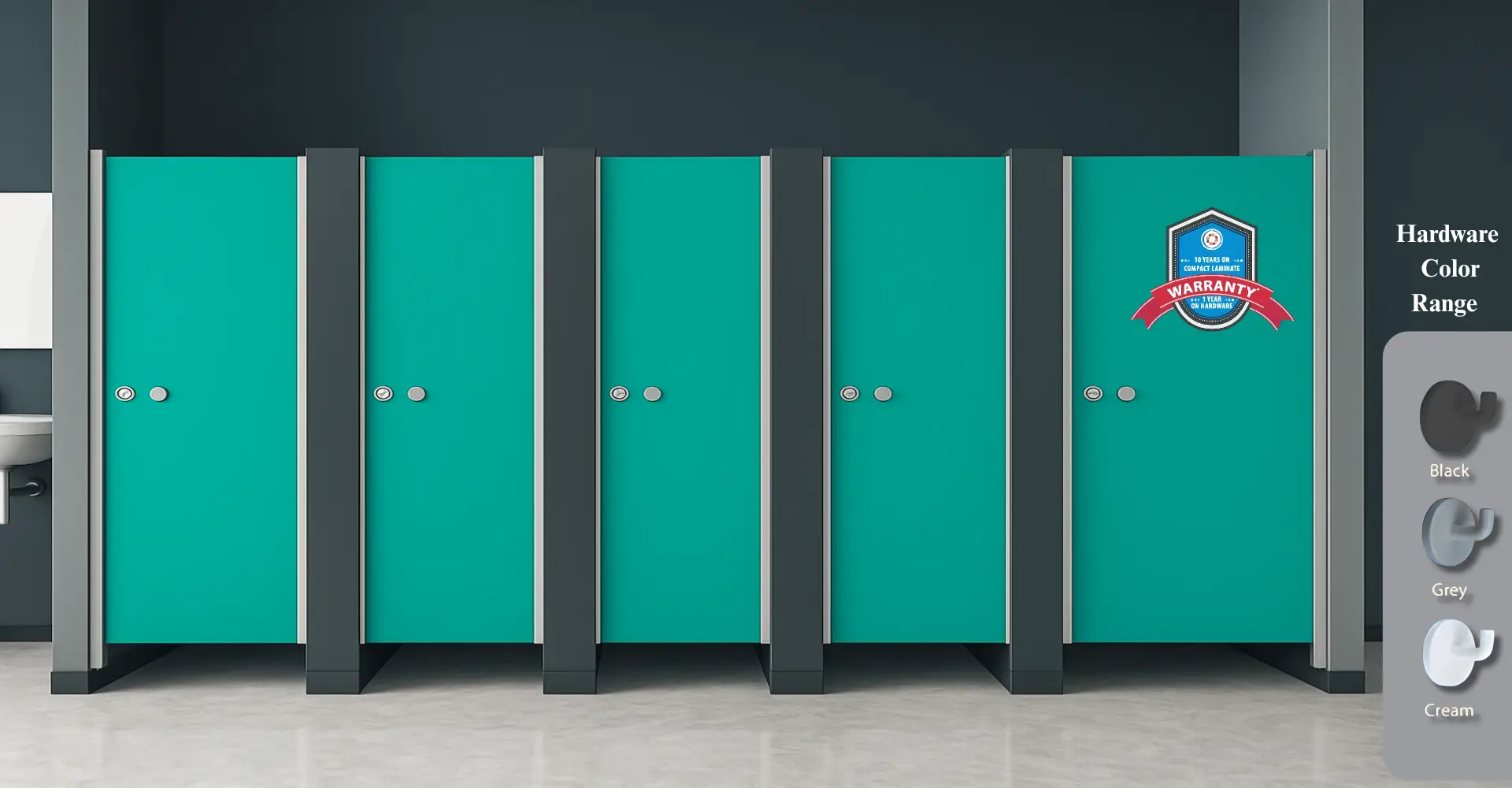
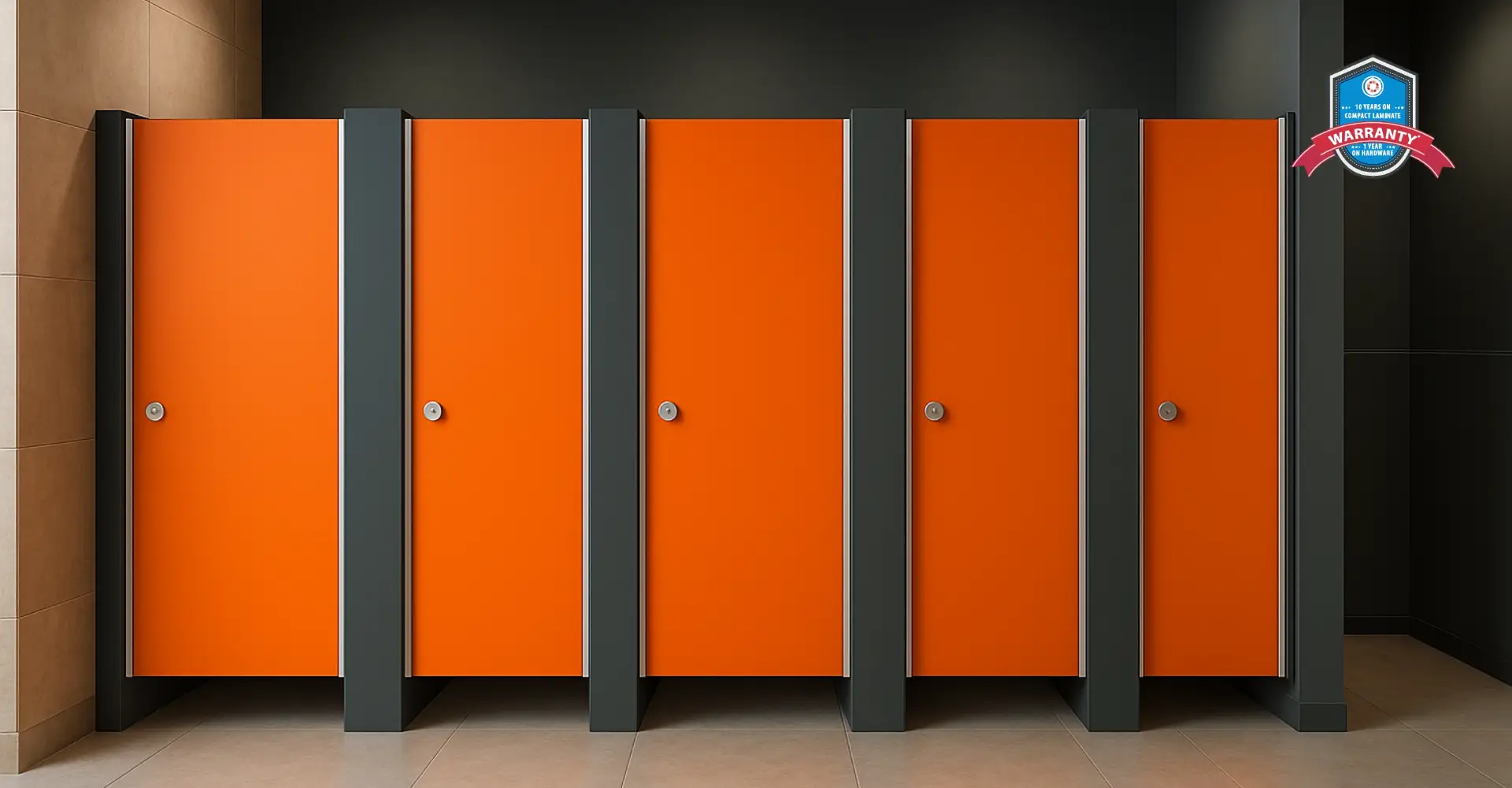
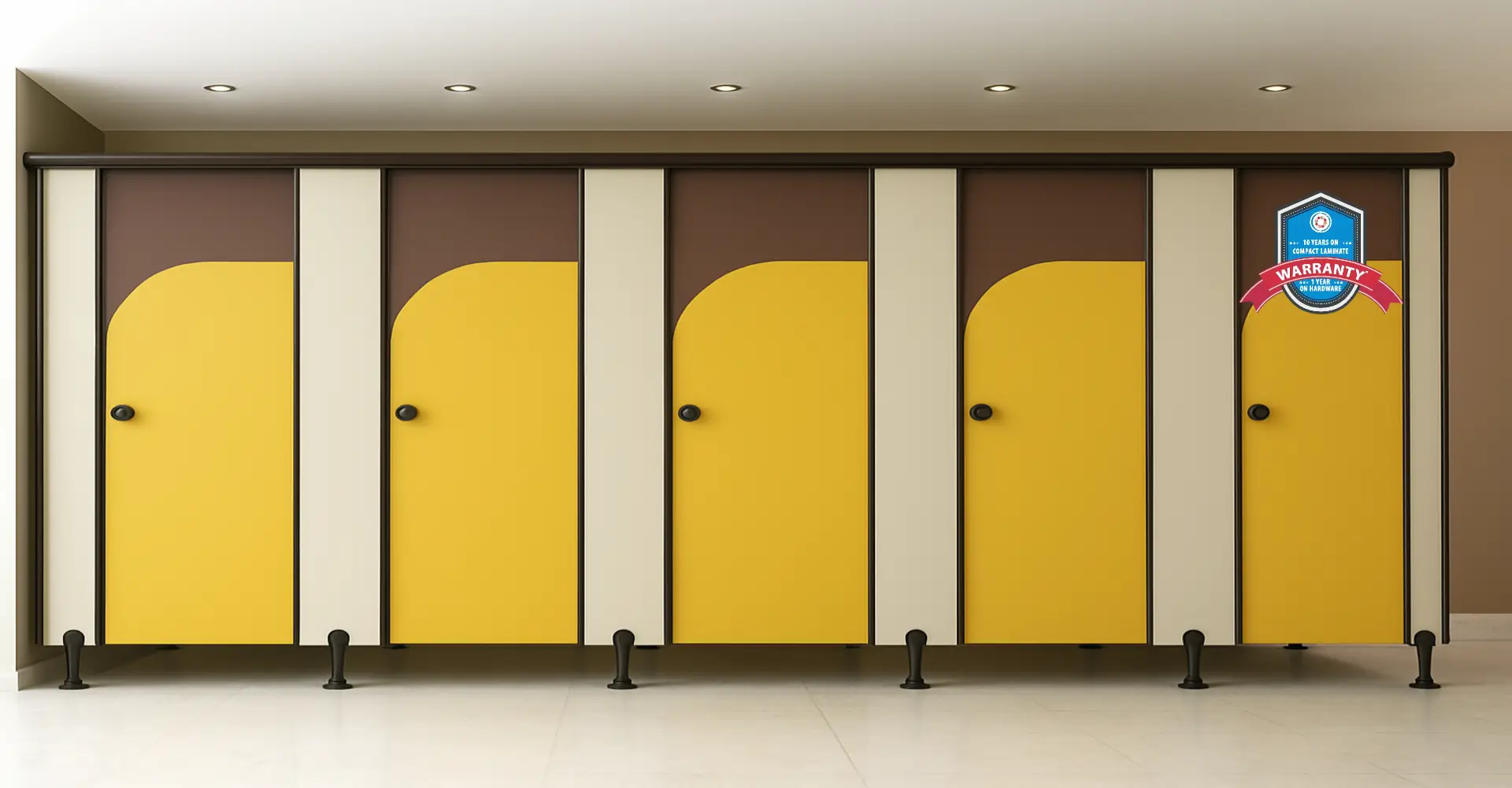
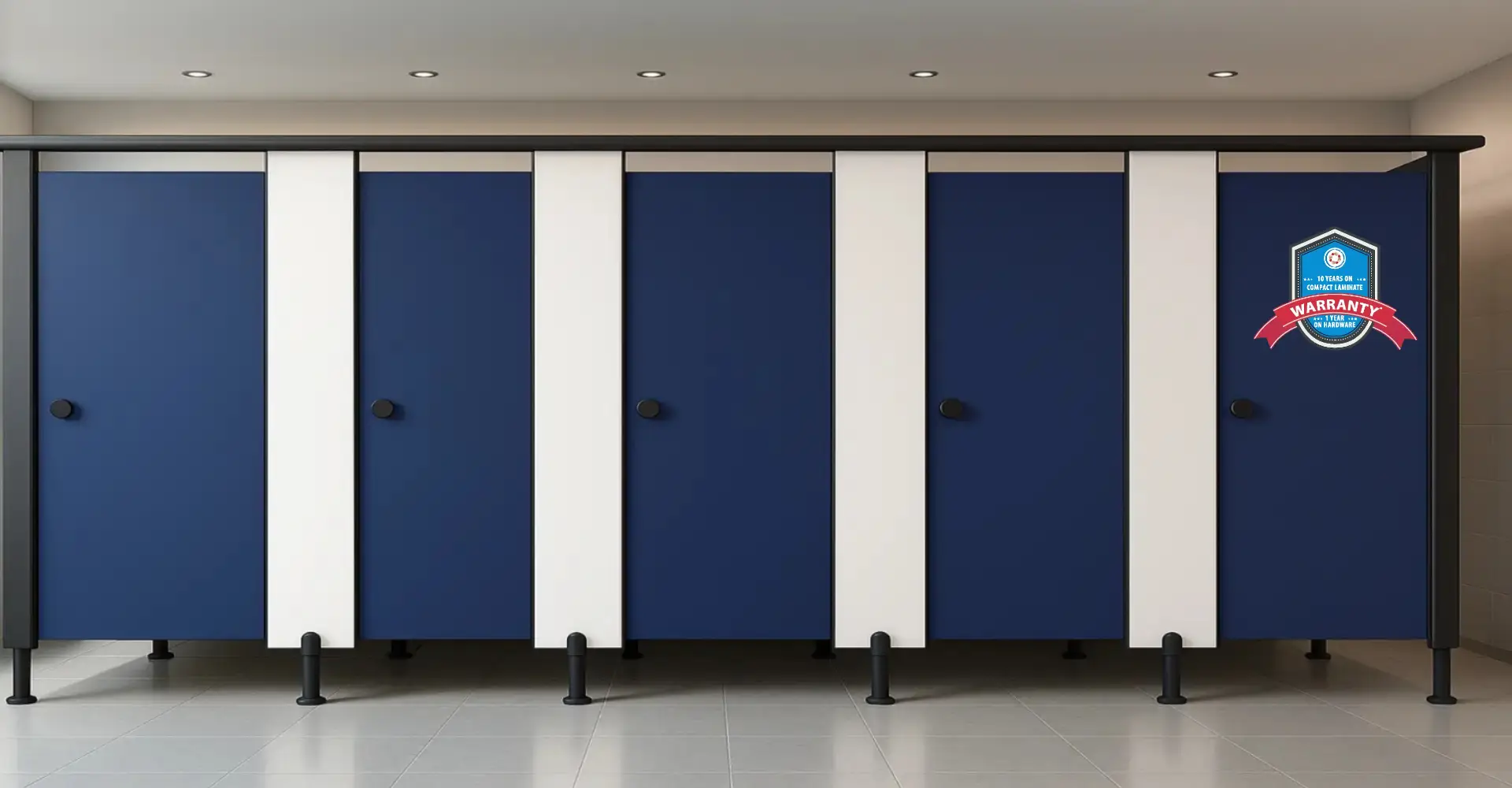
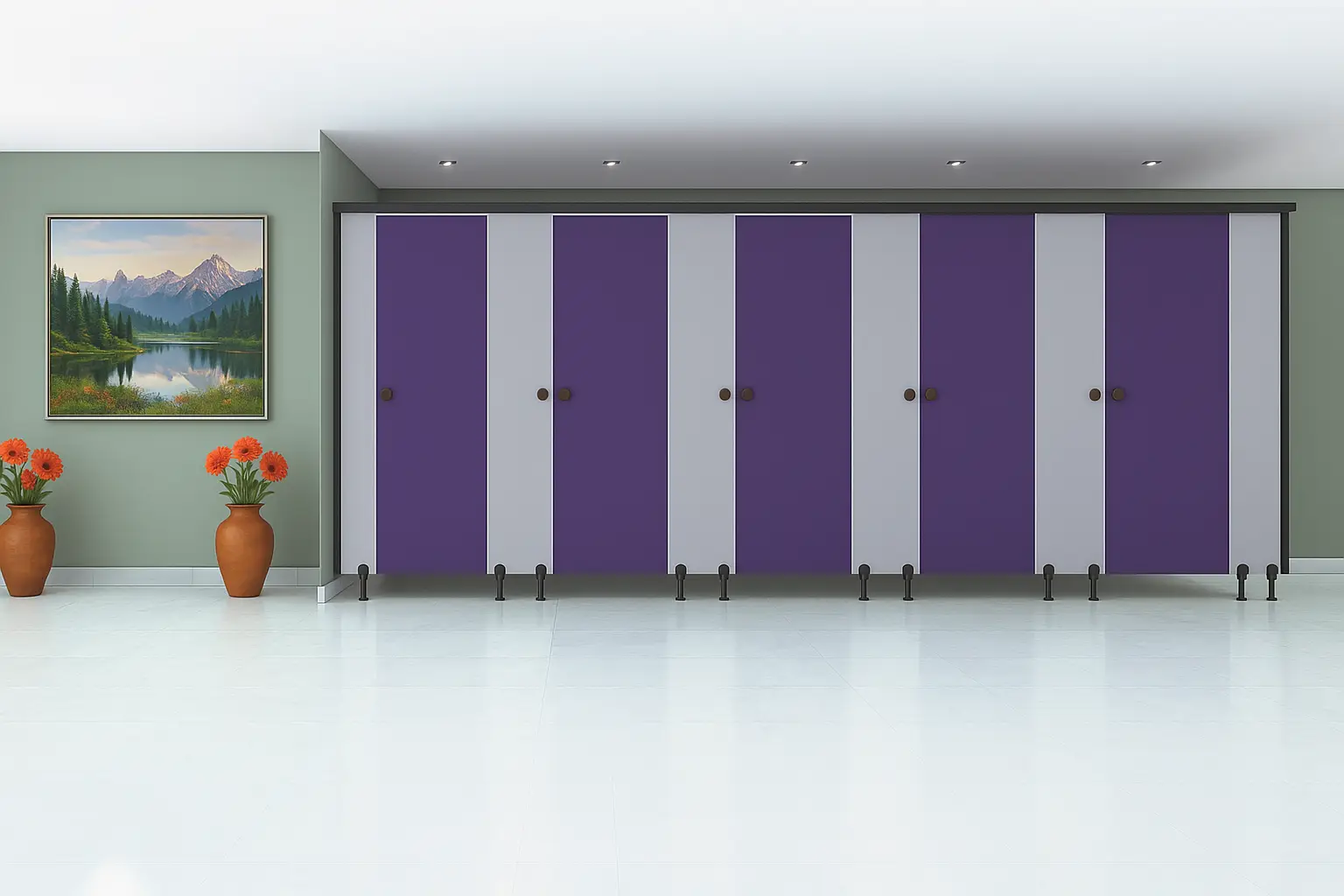
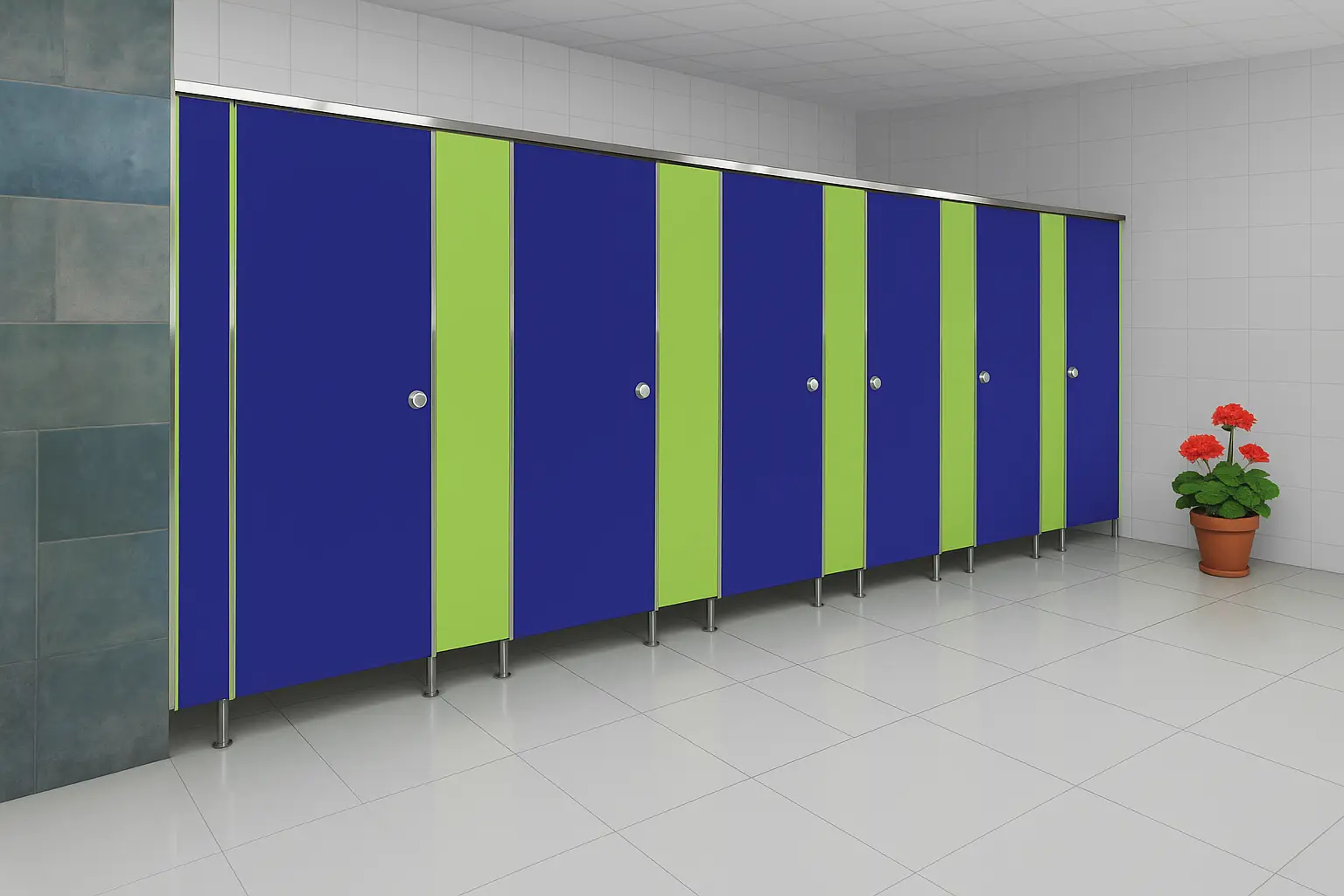
In modern commercial environments, restrooms are no longer treated as purely functional spaces. They play a crucial role in shaping user experience, hygiene standards, safety, and even brand perception. One of the most essential yet often overlooked elements of any commercial restroom is the public restroom partition. From offices and shopping malls to hospitals, airports, and educational institutions, restroom partitions directly influence how people perceive and use shared washroom facilities.
This blog explores the importance of public restroom partitions in commercial spaces, highlighting their role in privacy, hygiene, durability, compliance, aesthetics, and long-term cost efficiency.
Understanding Public Restroom Partitions
Public restroom partitions are panel systems used to divide washroom areas into individual toilet or urinal stalls. They typically consist of doors, side panels, pilasters, and mounting hardware. In commercial settings, these partitions must withstand heavy daily usage, frequent cleaning, and varying environmental conditions such as moisture and humidity.
Unlike residential bathroom dividers, commercial restroom partitions are designed with high durability, safety, and maintenance efficiency in mind.
Enhancing Privacy and User Comfort
One of the primary reasons restroom partitions are important is privacy. In commercial spaces with high footfall, users expect a secure and comfortable environment.
How partitions improve privacy:
- Clearly defined individual spaces reduce discomfort
- Proper height and door alignment prevent visual intrusion
- Floor-to-ceiling or full-height options offer maximum privacy
When people feel comfortable using a restroom, they are more likely to associate the facility—and the business—with professionalism and care.
Supporting Hygiene and Sanitation Standards
Hygiene is a top priority in commercial restrooms, especially in sectors like healthcare, hospitality, food service, and education. Well-designed restroom partitions help maintain cleanliness and reduce contamination.
Hygiene benefits of quality partitions:
- Prevent splashes and cross-contamination
- Allow easier cleaning and disinfecting
- Non-porous materials resist bacteria and mold
- Moisture-resistant surfaces reduce foul odors
Partitions made from materials like HDPE, phenolic compact laminate, or stainless steel are especially effective in maintaining high hygiene standards.
Managing High Foot Traffic Efficiently
Commercial spaces often experience heavy and continuous restroom usage. Public restroom partitions help manage this traffic efficiently by organizing the space and improving flow.
Why this matters:
- Reduces congestion during peak hours
- Allows multiple users simultaneously
- Minimizes misuse of restroom areas
- Enhances overall facility efficiency
In locations such as malls, airports, cinemas, and stadiums, restroom partitions are critical for maintaining order during busy periods.
Durability and Long-Term Performance
Commercial restroom partitions must endure:
- Constant opening and closing of doors
- Frequent cleaning with chemicals
- Accidental impacts and misuse
- High humidity and temperature changes
Choosing durable partition systems ensures long service life with minimal repairs.
Durable partition materials include:
- HDPE (High-Density Polyethylene) – impact and moisture resistant
- Phenolic compact laminate – extremely strong and water-resistant
- Stainless steel – corrosion resistant and premium in appearance
Investing in durable partitions reduces replacement costs and downtime over the years.
Compliance with Building Codes and Accessibility Norms
Another critical importance of public restroom partitions in commercial spaces is regulatory compliance. Most regions have strict guidelines related to restroom design, including accessibility.
Compliance considerations:
- Accessible stalls for people with disabilities
- Correct door swing and clearance
- Grab bar compatibility
- Appropriate stall dimensions
Partitions designed with accessibility in mind help businesses comply with local building codes and universal design standards, avoiding legal issues and ensuring inclusivity.
Improving Aesthetics and Brand Image
Restrooms are a reflection of a business’s attention to detail. Poorly designed or worn-out partitions can negatively affect brand perception.
How partitions enhance aesthetics:
- Clean lines and modern finishes improve visual appeal
- Custom colors and textures support branding
- Uniform design complements interior architecture
High-quality restroom partitions contribute to a professional, modern, and welcoming environment, reinforcing trust in the brand.
Easy Maintenance and Cost Efficiency
From a facility management perspective, restroom partitions should be easy to maintain and cost-effective.
Benefits of low-maintenance partitions:
- Faster cleaning and reduced labor costs
- Resistance to scratches, stains, and graffiti
- Fewer repairs and replacements
- Lower lifecycle costs
Although premium materials may have higher upfront costs, they deliver better return on investment (ROI) over time.
Safety and Structural Stability
Safety is another often overlooked factor. Poorly installed or low-quality partitions can pose risks such as:
- Loose panels
- Sharp edges
- Unstable doors
Commercial-grade restroom partitions are designed with rounded edges, sturdy hardware, and strong anchoring systems, ensuring user safety even in high-traffic environments.
Flexibility for Different Commercial Environments
Public restroom partitions are versatile and can be customized based on the specific needs of different commercial spaces.
Examples:
- Offices: Balanced design with aesthetics and durability
- Schools: Impact-resistant and vandal-proof partitions
- Hospitals: Hygienic, easy-to-clean materials
- Hotels: Stylish, premium finishes
- Industrial facilities: Highly durable and moisture-resistant systems
This flexibility makes restroom partitions suitable for almost every commercial application.
Environmental and Sustainability Considerations
Many modern restroom partition systems are designed with eco-friendly materials and sustainable manufacturing processes.
Sustainable benefits:
- Recyclable materials
- Long lifespan reduces waste
- Low maintenance reduces chemical usage
Using sustainable restroom partitions supports green building initiatives and enhances corporate responsibility.
Common Types of Public Restroom Partitions Used in Commercial Spaces
To fully understand their importance, it’s helpful to know the commonly used partition types:
- Powder-coated steel partitions
- HDPE solid plastic partitions
- Phenolic compact laminate partitions
- Stainless steel partitions
- Plastic laminate partitions
Each type serves different budgets, environments, and usage levels.
Why Businesses Should Not Compromise on Restroom Partitions
Cutting costs on restroom partitions often leads to:
- Frequent repairs
- Poor hygiene
- Negative customer impressions
- Non-compliance issues
On the other hand, investing in high-quality partitions ensures:
- Better user satisfaction
- Long-term savings
- Improved facility reputation
- Compliance and safety
Conclusion
The importance of public restroom partitions in commercial spaces goes far beyond simple division of stalls. They play a vital role in privacy, hygiene, durability, safety, accessibility, aesthetics, and cost efficiency. In today’s competitive commercial environment, well-designed restrooms contribute significantly to overall user experience and brand value. The Ryka Transformation are an amazing mix of restroom visual appeal & equally essential. Team Interior Solutions cubicles offer guaranteed customer satisfaction.