
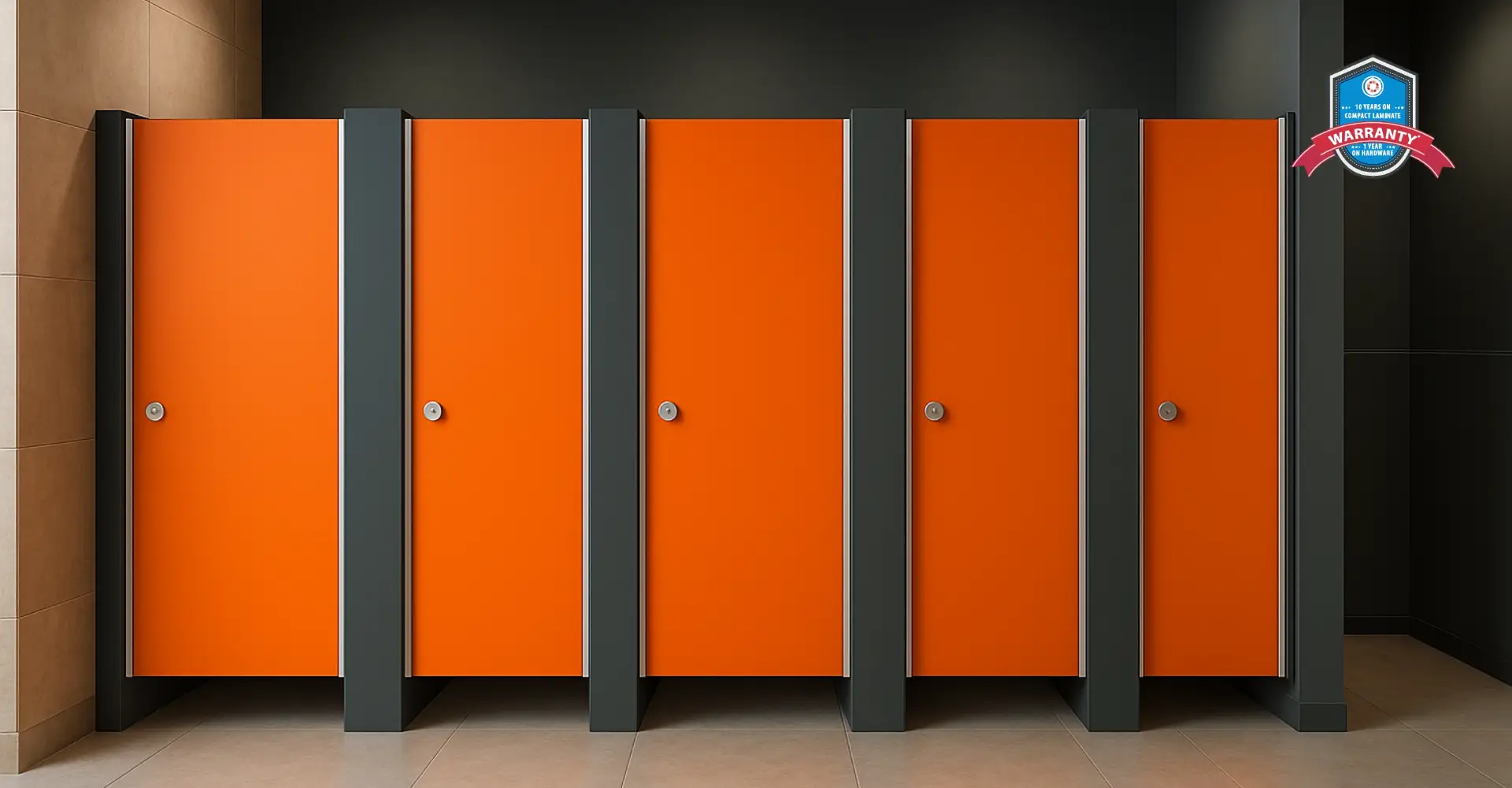
Introduction
In modern commercial and public infrastructure, efficient space utilization is a critical design priority. Whether it’s a corporate office, shopping mall, hospital, airport, school, or industrial facility, every square foot matters. Restroom areas, often overlooked in traditional designs, now demand intelligent planning to maximize functionality without compromising hygiene, privacy, or aesthetics.
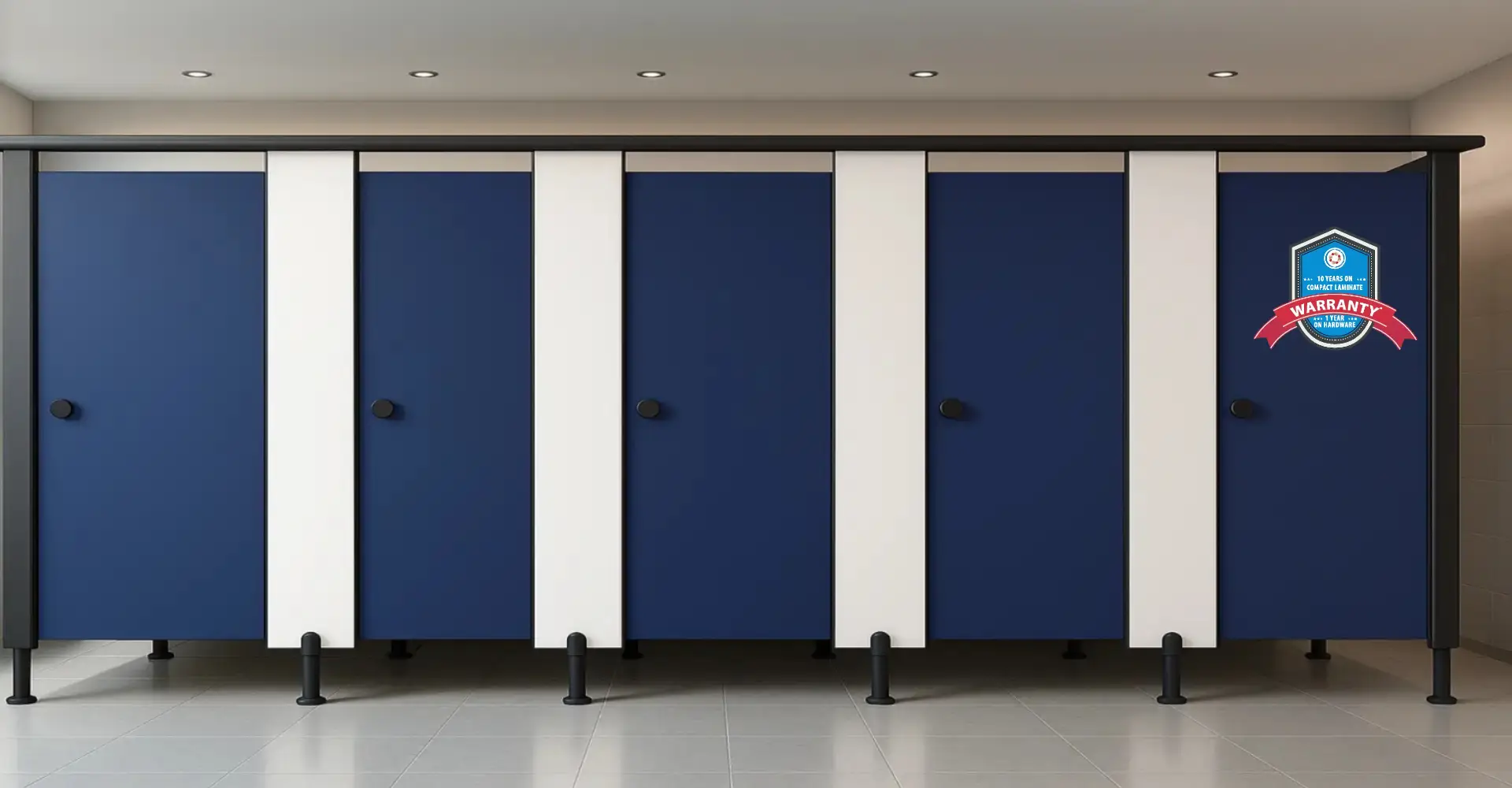
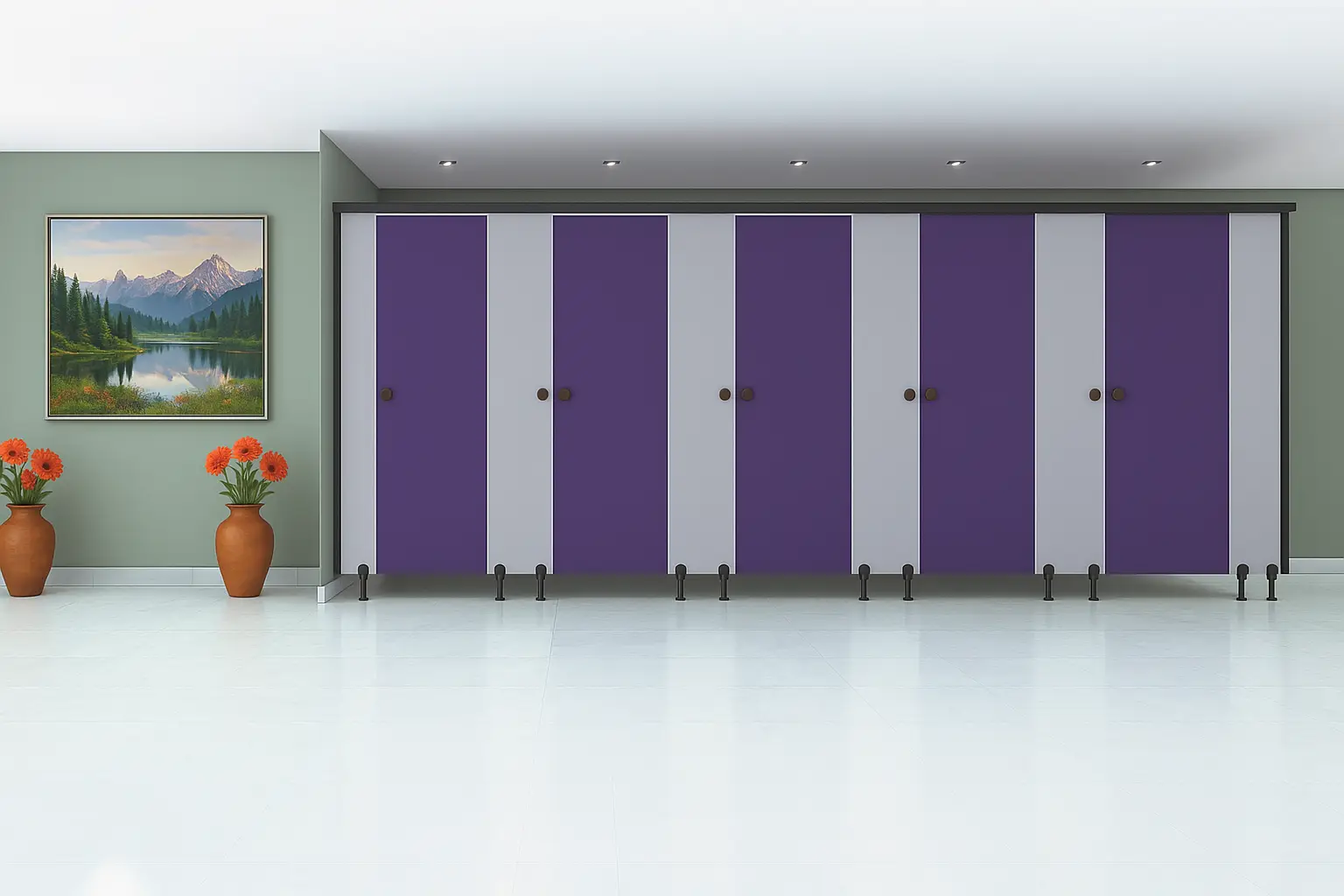
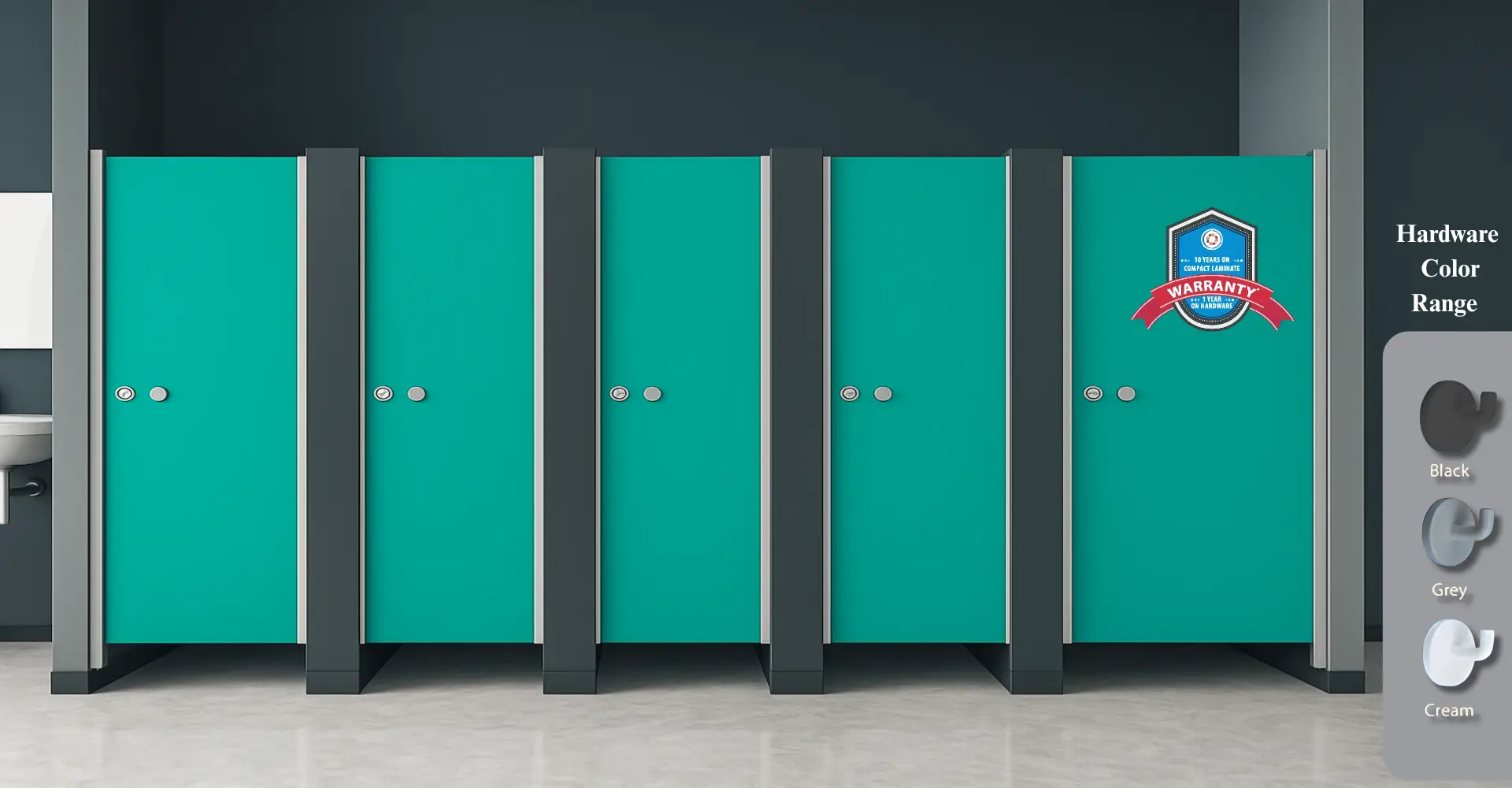
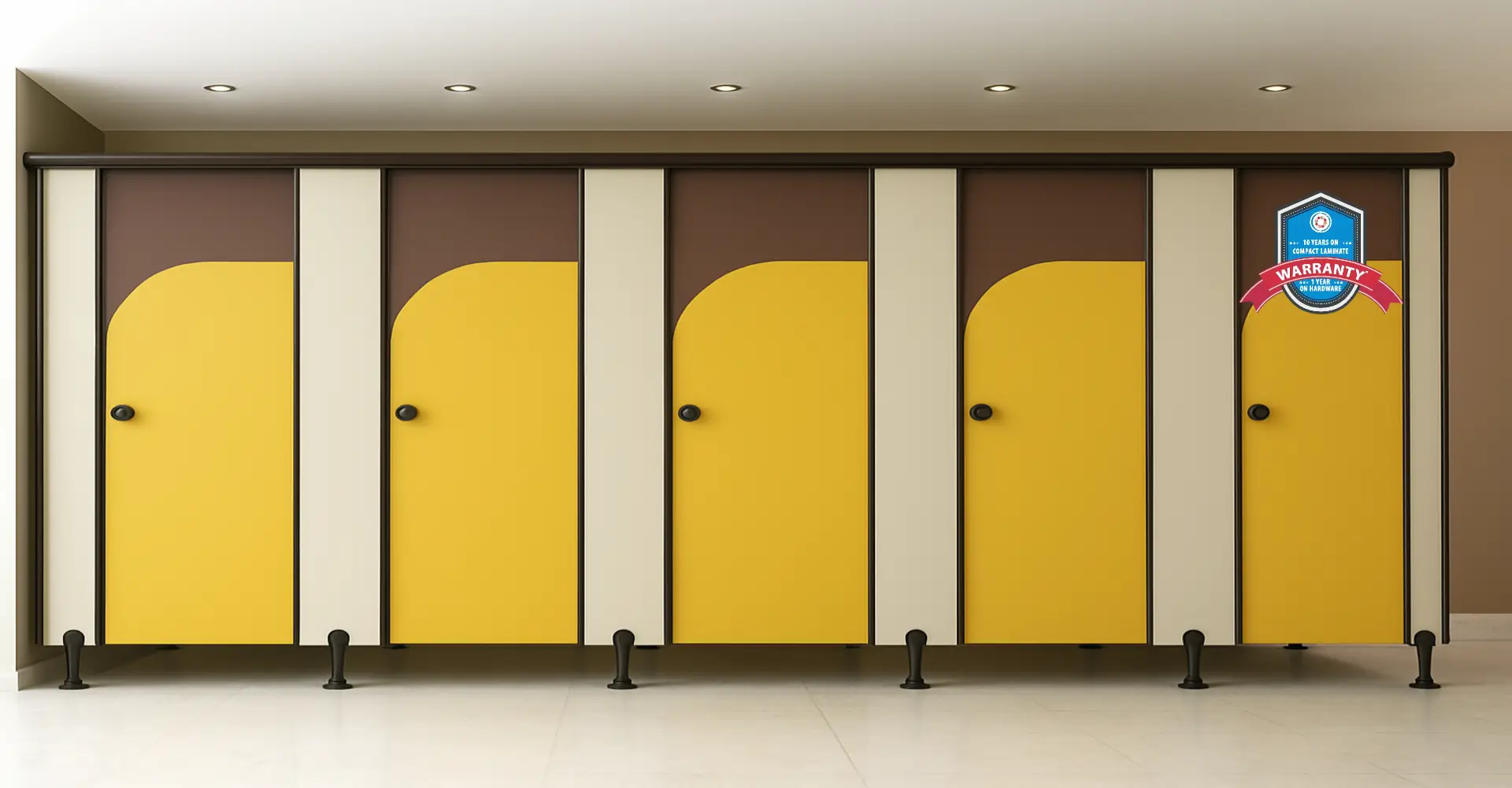
One of the most effective solutions for efficient restroom planning is the installation of toilet cubicle partitions. Unlike conventional masonry constructions, modular toilet cubicle systems are specifically designed to optimize space while maintaining durability and comfort.
In this article, we will explore how toilet cubicle partitions improve space optimization, their structural advantages, and why they are the preferred choice for modern washroom design.
Here is your 1500-word SEO-optimized blog:
How Toilet Cubicle Partitions Improve Space Optimization
Introduction
In modern commercial and public infrastructure, efficient space utilization is a critical design priority. Whether it’s a corporate office, shopping mall, hospital, airport, school, or industrial facility, every square foot matters. Restroom areas, often overlooked in traditional designs, now demand intelligent planning to maximize functionality without compromising hygiene, privacy, or aesthetics.
One of the most effective solutions for efficient restroom planning is the installation of toilet cubicle partitions. Unlike conventional masonry constructions, modular toilet cubicle systems are specifically designed to optimize space while maintaining durability and comfort.
In this article, we will explore how toilet cubicle partitions improve space optimization, their structural advantages, and why they are the preferred choice for modern washroom design.
Maximizing Usable Floor Area
Traditional brick-and-mortar toilet structures consume significant floor space due to thick walls and permanent layouts. In contrast, toilet cubicle partitions are slim, lightweight, and modular.
Key Advantages:
- Thinner panel systems increase usable floor area
- Compact designs allow more cubicles in the same space
- Minimal structural bulk compared to masonry walls
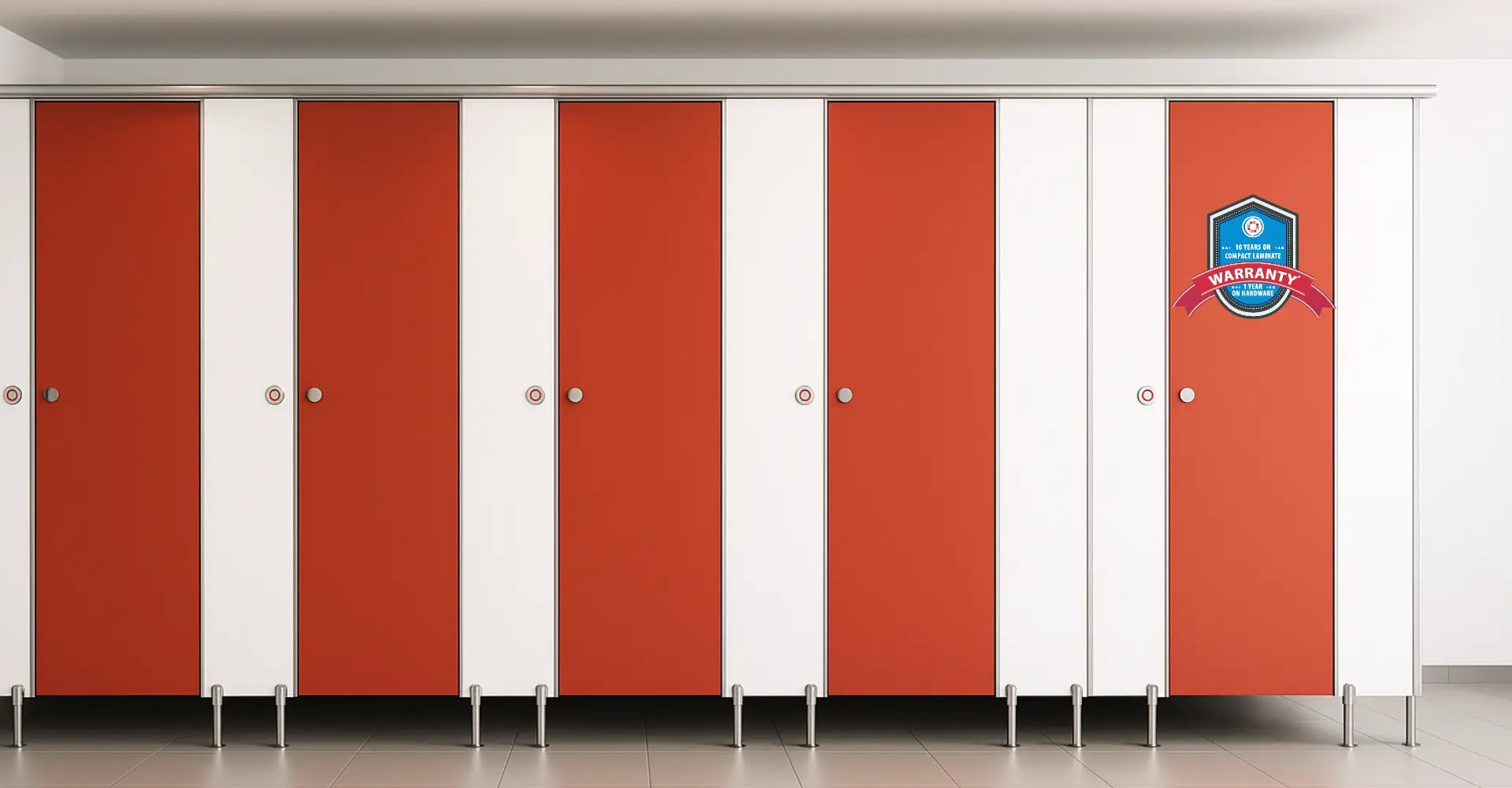
By using compact laminate or HDPE panels, facilities can install more functional units within a limited area, improving overall capacity.
Flexible Layout Configurations
One of the biggest advantages of toilet cubicle partitions is their flexibility. Modular systems allow designers to create customized layouts based on available space.
Flexible Options Include:
- Inline configurations
- Corner installations
- Wall-to-wall cubicle systems
- Island-style layouts
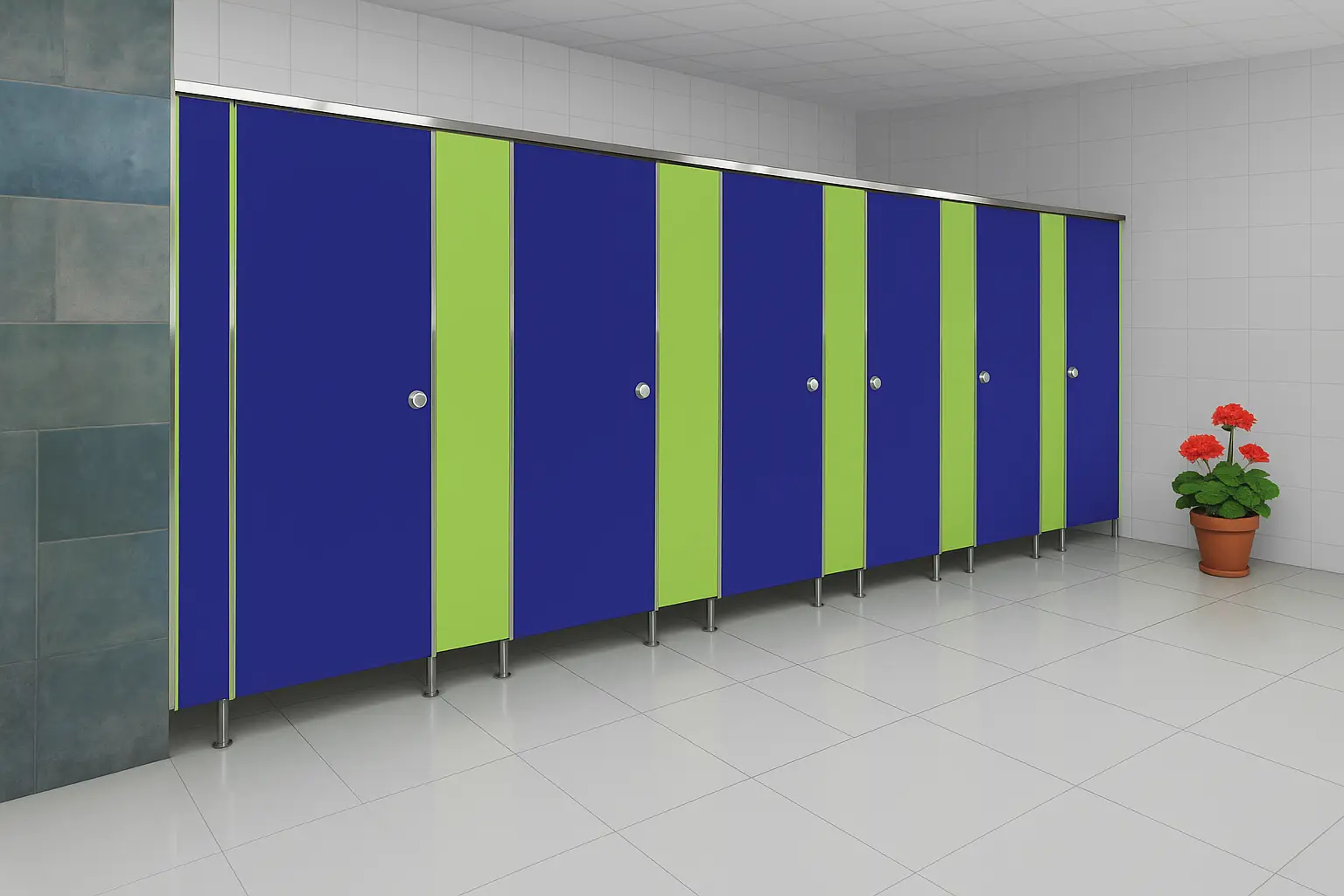
- Floor-to-ceiling or ceiling-hung designs
This adaptability ensures optimal utilization of awkward or irregular restroom layouts, making every inch functional.
Faster Installation Saves Time & Operational Space
Time is money, especially in commercial projects. Traditional construction takes weeks and creates debris and disruptions. Modular toilet cubicles can be installed quickly with minimal structural changes.
Space Optimization Through Faster Installation:
- Reduced downtime for businesses
- Minimal construction waste
- Quick renovations in operational buildings
Faster installation means the space becomes usable sooner, enhancing operational efficiency.
Ideal for Compact Urban Infrastructure
In metropolitan cities where real estate costs are high, compact restroom planning is essential. Offices, malls, and commercial complexes must maximize user capacity within limited built-up areas.
Toilet cubicle partitions:
- Reduce wall thickness
- Allow closer alignment without compromising privacy
- Improve circulation space within restrooms
This makes them ideal for urban commercial buildings, coworking spaces, and high-rise offices.
Improved Traffic Flow & Accessibility
Efficient restroom design is not just about fitting more cubicles — it’s about ensuring smooth movement.
Modern cubicle systems allow:
- Clear passageways
- Organized stall placement
- Designated accessible cubicles
- Better entry and exit flow
Well-planned partitions prevent congestion during peak usage hours in malls, airports, and stadiums.
Modular Expansion Possibilities
Businesses grow. Infrastructure needs change. Traditional restroom structures are difficult to modify without demolition.
Modular toilet cubicles provide:
- Easy dismantling and reinstallation
- Reconfiguration possibilities
- Future expansion without heavy construction
This flexibility ensures long-term space efficiency and cost savings.
Vertical Space Utilization
Modern toilet cubicle systems are available in multiple height options:
- Standard height partitions
- Floor-to-ceiling systems
- Ceiling-hung designs
Floor-to-ceiling cubicles maximize vertical space for enhanced privacy, while ceiling-hung systems improve floor cleaning efficiency, creating a perception of more space.
Optimizing vertical dimensions enhances both privacy and aesthetic value without increasing floor area.
Reduced Structural Load
Toilet cubicle partitions are lightweight compared to brick walls. This reduces structural load on buildings, especially in multi-story commercial spaces.
Benefits include:
- Lower foundation stress
- Easier installation on upper floors
- Better suitability for temporary or semi-permanent structures
This makes them ideal for IT parks, corporate offices, and commercial complexes.
Customizable Dimensions for Precise Fit
Unlike fixed masonry construction, toilet cubicles can be customized according to exact site dimensions.
Manufacturers offer:
- Custom panel widths
- Adjustable hardware systems
- Tailored height options
- Space-saving sliding doors (in some designs)
Customization ensures no wasted space, especially in small or irregular washrooms.
Integration with Modern Plumbing Layouts
Modern restroom planning integrates plumbing, ventilation, and electrical systems efficiently.
Toilet cubicle partitions:
- Allow concealed plumbing layouts
- Support compact sanitary fixtures
- Align easily with wall-mounted toilets
This integrated design improves spatial planning and overall restroom organization.
Enhanced Cleaning Efficiency = Better Space Management
Cluttered and difficult-to-clean restrooms often require additional maintenance space and downtime.
Ceiling-hung cubicles:
- Allow easy floor cleaning
- Prevent water accumulation
- Maintain open floor space
Better cleaning access ensures the space remains functional and visually spacious at all times.
Multi-User Efficiency in High-Traffic Areas
In places like:
- Airports
- Railway stations
- Shopping malls
- Educational institutions
- Corporate offices
Space optimization means accommodating more users comfortably.
Toilet cubicle partitions allow:
- More stalls per square meter
- Standardized cubicle sizing
- Organized alignment for efficient use
This improves user turnover and reduces waiting time.
Space-Saving Door Mechanisms
Modern toilet cubicles offer various door options:
- Inward-opening doors
- Outward-opening doors
- Sliding door systems (for accessible cubicles)
Choosing the right door mechanism significantly improves spatial efficiency and movement flow.
Aesthetic Design Makes Spaces Appear Larger
Design plays a crucial role in perceived space optimization.
Features that enhance spatial perception:
- Light-colored laminates
- Reflective finishes
- Slim panel edges
- Minimal hardware visibility
Visually clean and sleek cubicles create an illusion of a larger restroom area.
Cost-Effective Space Utilization
Efficient space planning directly impacts cost. The more effectively you use space, the better your ROI.
Toilet cubicle partitions:
- Lower construction costs
- Reduce material usage
- Minimize renovation expenses
- Provide long-term durability
Businesses can allocate saved space to additional seating, storage, or operational areas.
Ideal for Renovation & Retrofitting Projects
In older buildings, restroom areas may be small or inefficiently designed. Modular cubicles allow retrofitting without extensive structural demolition.
Benefits include:
- Minimal structural alteration
- Adaptation to existing layouts
- Improved capacity without expansion
This makes them perfect for renovation projects in schools, offices, and hospitals.
Supporting Sustainable Space Planning
Sustainable construction emphasizes efficient use of resources and space.
Toilet cubicle partitions:
- Use eco-friendly materials
- Reduce construction waste
- Support green building certifications
- Minimize unnecessary material consumption
Efficient space utilization contributes to environmental responsibility.
Conclusion
Toilet cubicle partitions are more than just restroom dividers — Ryka Restroom Cubicles are smart architectural solutions designed for modern infrastructure needs. By maximizing usable floor area, enabling flexible layouts, improving traffic flow, and allowing future modifications, they significantly enhance space optimization.
In today’s urban environments where space is expensive and efficiency is essential, modular toilet cubicle systems offer the perfect balance of functionality, durability, and design flexibility. Whether you are planning a corporate office, shopping mall, hospital, school, or industrial facility, investing in high-quality toilet cubicle partitions ensures optimized space usage, improved user experience, and long-term cost savings.