
Introduction
Public restrooms are essential facilities in commercial buildings, shopping malls, airports, schools, hospitals, railway stations, corporate offices, and other high-traffic areas. While these spaces serve a basic necessity, their cleanliness and hygiene significantly impact public health, user comfort, and brand reputation.
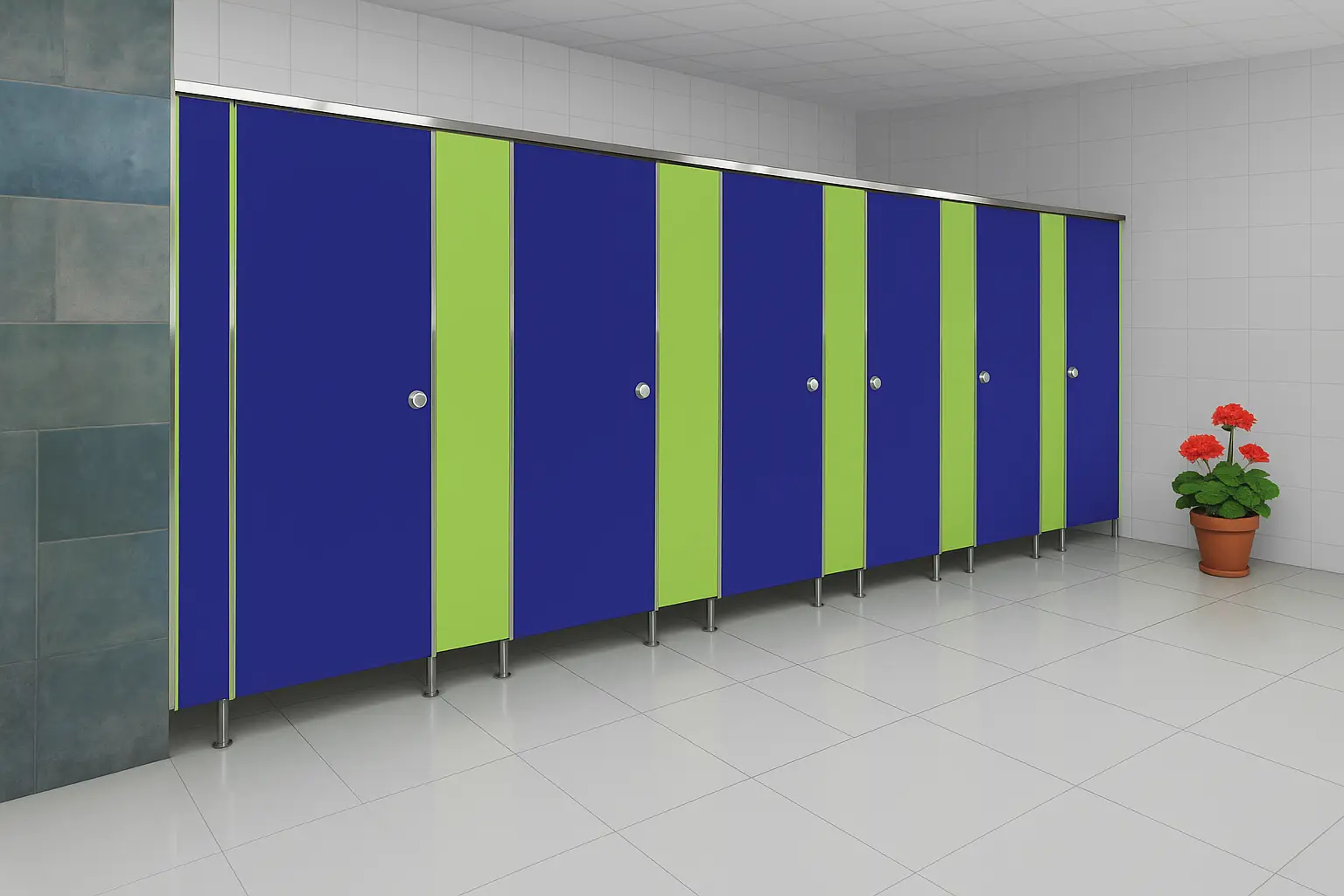
One of the most critical elements of any public restroom is the toilet cubicle partition system. Hygienic toilet cubicles are not just about visual cleanliness — they are about safety, durability, bacteria resistance, privacy, and proper sanitation management.
In this article, we will explore the importance of hygienic toilet cubicles in public restrooms, their benefits, material considerations, and how they contribute to better health standards and improved user experience.
Protecting Public Health
Public restrooms experience heavy footfall daily. Without proper hygiene standards, they can become breeding grounds for bacteria, viruses, and other harmful microorganisms.
Why Hygiene Matters:
- Prevents the spread of infections
- Reduces bacterial contamination
- Minimizes odor build-up
- Supports overall sanitation compliance
High-quality hygienic toilet cubicles are designed using non-porous, waterproof, and antimicrobial materials that prevent bacterial growth and are easy to clean. Smooth surfaces reduce dirt accumulation and allow efficient sanitation.
In places like hospitals, schools, and airports, maintaining hygienic cubicles is not optional — it is a necessity for public safety.
Enhancing User Comfort & Experience
Clean and hygienic restrooms leave a lasting impression. When users walk into a well-maintained restroom with spotless cubicles, it immediately builds trust and comfort.
Impact on User Experience:
- Users feel safe and comfortable
- Encourages positive perception of the facility
- Improves overall satisfaction levels
- Reduces complaints and negative reviews
For businesses such as malls, hotels, restaurants, and corporate offices, restroom hygiene directly influences customer perception and brand image.
Preventing Cross-Contamination
Traditional restroom structures made with porous materials may absorb moisture and harbor bacteria. Modern hygienic toilet cubicles are made from materials like:
- Compact Laminate (HPL)
- HDPE (High-Density Polyethylene)
- Phenolic Boards
- Stainless Steel
These materials are:
- Water-resistant
- Scratch-resistant
- Anti-bacterial
- Easy to disinfect
Non-porous surfaces prevent germs from penetrating the material, reducing cross-contamination between users.
Compliance with Health & Safety Regulations
Many countries and municipalities have strict regulations regarding public restroom hygiene. Installing hygienic toilet cubicle systems helps facilities comply with these standards.
Key compliance benefits include:
- Meeting public health department guidelines
- Following sanitation regulations
- Supporting green building certifications (LEED, IGBC)
- Ensuring ADA or accessibility compliance
Investing in high-quality hygienic cubicles reduces the risk of penalties and ensures long-term regulatory compliance.
Durability in High-Traffic Areas
Public restrooms in transportation hubs, educational institutions, and shopping centers face heavy usage daily. Hygienic toilet cubicles are designed to withstand:
- Frequent cleaning with chemicals
- Constant moisture exposure
- Physical wear and tear
- Vandalism in public spaces
Durable materials like compact laminate and HDPE are resistant to water damage, corrosion, and impact, ensuring a longer lifespan.
Long-lasting cubicles reduce maintenance costs and replacement expenses, making them a cost-effective solution.
Easy Cleaning & Maintenance
Hygienic cubicle systems are designed for easy cleaning. Smooth surfaces and minimal joints prevent dirt accumulation.
Features That Improve Cleanliness:
- Floor-mounted or ceiling-hung designs
- Anti-corrosion hardware
- Water-resistant panels
- Stain-resistant finishes
Some modern cubicles even include antimicrobial coatings and self-sanitizing surfaces, further enhancing hygiene levels.
Quick and efficient cleaning reduces downtime and keeps restrooms functional throughout the day.
Odor Control & Ventilation Support
Poorly maintained cubicles can trap moisture and odors. Hygienic cubicle systems are designed to:
- Resist moisture absorption
- Prevent mold formation
- Support better airflow
Properly installed partitions allow adequate ventilation, reducing unpleasant smells and improving restroom freshness.
Privacy & Hygiene Go Hand in Hand
Privacy is a fundamental aspect of public restroom design. Hygienic toilet cubicles ensure:
- Proper door alignment
- Secure locking systems
- Minimal gaps for privacy
- Strong structural support
When users feel secure and protected, they are more comfortable using public facilities.
Ideal for Various Public Spaces
Hygienic toilet cubicles are essential in multiple environments:
Corporate Offices
Maintain professionalism and employee satisfaction.
Hospitals & Healthcare Centers
Prevent infections and support strict sanitation standards.
Schools & Colleges
Encourage hygiene habits among students.
Shopping Malls & Retail Spaces
Enhance customer experience and brand reputation.
Airports & Railway Stations
Manage high traffic while maintaining cleanliness.
Each setting demands reliable, durable, and hygienic partition systems.
Sustainable & Eco-Friendly Solutions
Modern hygienic toilet cubicles are often manufactured using eco-friendly materials and processes.
Benefits include:
- Recyclable materials
- Low VOC emissions
- Sustainable production methods
- Reduced water damage waste
Green restroom solutions align with sustainability goals and environmental responsibility.
Long-Term Cost Savings
Though hygienic toilet cubicles may require higher initial investment compared to low-grade alternatives, they offer significant long-term savings:
- Reduced repair costs
- Lower maintenance expenses
- Extended lifespan
- Fewer replacements
Durability and resistance to moisture and damage ensure better ROI.
Boosting Brand Image & Public Perception
In today’s digital world, customers frequently share experiences online. A poorly maintained restroom can result in negative reviews.
On the other hand, clean and hygienic restroom facilities:
- Enhance brand credibility
- Increase footfall
- Improve employee morale
- Build customer loyalty
Hygiene reflects professionalism and attention to detail.
Supporting Post-Pandemic Hygiene Awareness
After global health crises in recent years, public awareness regarding hygiene has significantly increased. Users now expect:
- Touch-free systems
- Antimicrobial surfaces
- Regular cleaning schedules
- Clean and dry cubicles
Facilities that prioritize hygienic toilet cubicles meet modern expectations and ensure public confidence.
Advanced Features in Modern Hygienic Cubicles
Latest innovations include:
- Sensor-based occupancy indicators
- Touch-free locking systems
- Anti-fingerprint laminates
- Rust-resistant stainless steel hardware
- Scratch-resistant surfaces
These features combine hygiene, durability, and technology for better restroom management.
Choosing the Right Hygienic Toilet Cubicle Manufacturer
When selecting a manufacturer, consider:
- Material quality
- Customization options
- Installation expertise
- Warranty and after-sales support
- Compliance certifications
- Industry experience
A reliable manufacturer ensures durable, hygienic, and aesthetically pleasing cubicle solutions tailored to your facility.
Conclusion
The importance of hygienic toilet cubicles in public restrooms cannot be overstated. They play a critical role in:
- Protecting public health
- Preventing infections
- Enhancing user comfort
- Maintaining brand reputation
- Ensuring compliance with regulations
- Reducing long-term costs
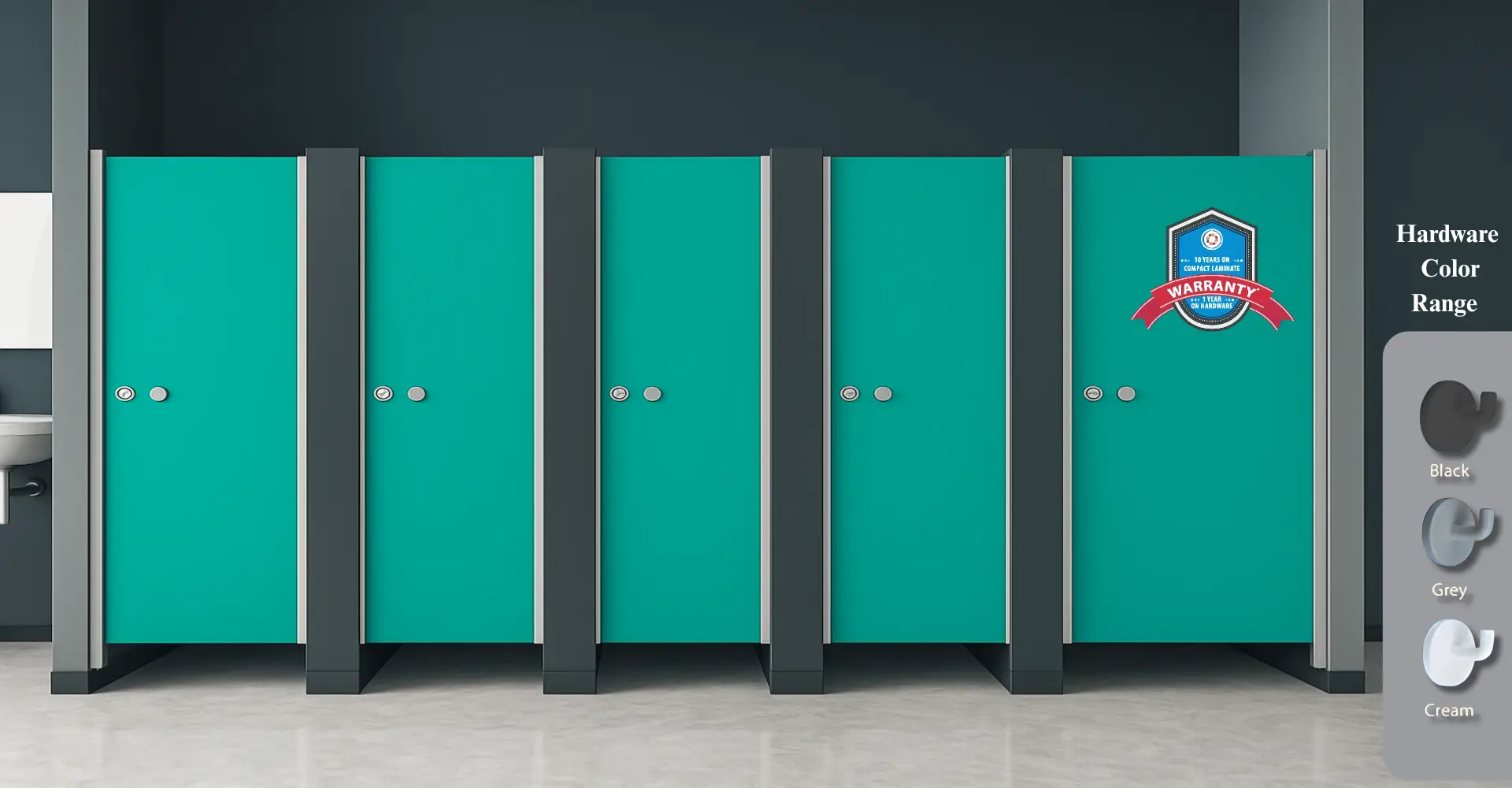
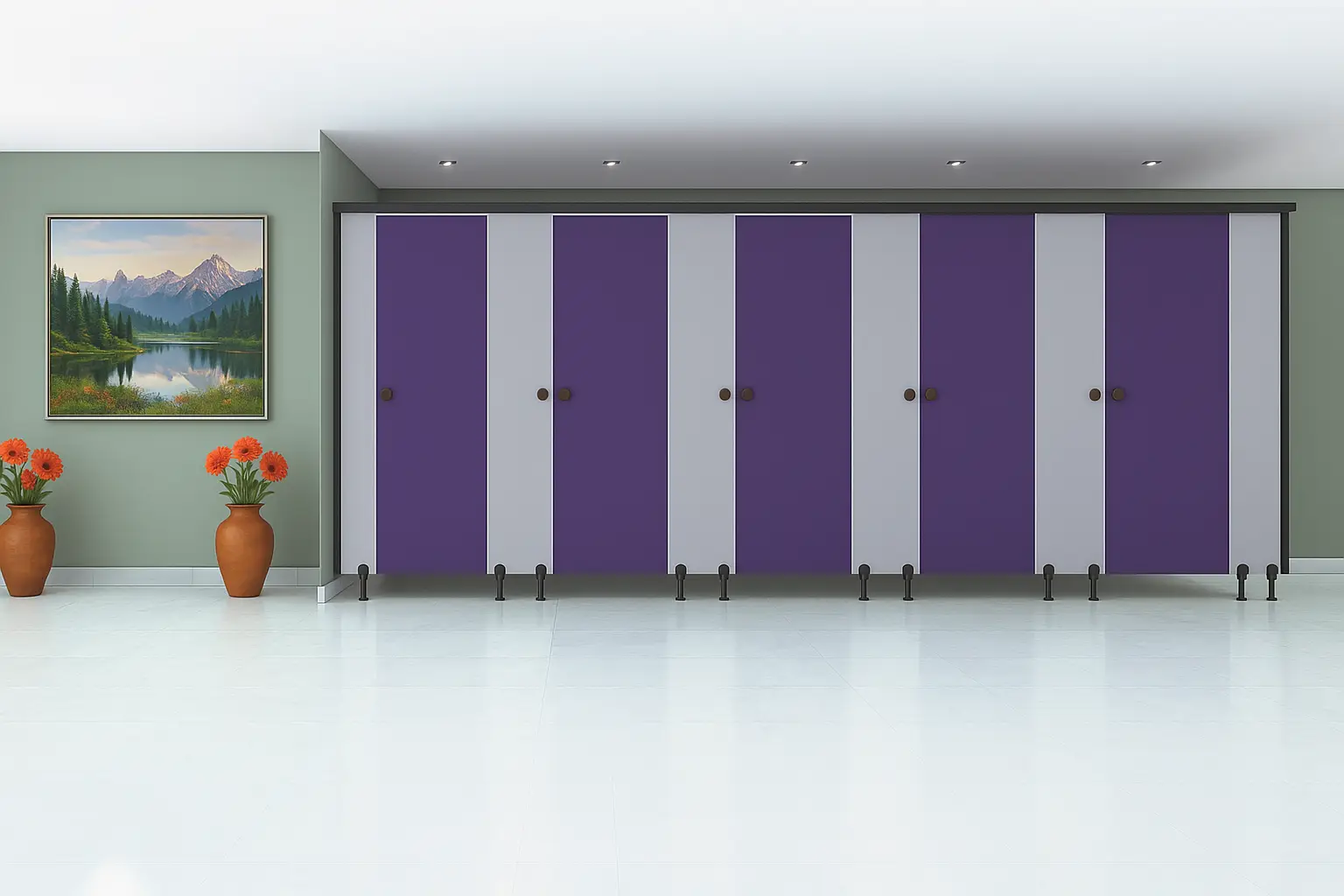
Ryka Restroom Cubicles’ Toilet Cubicles Partitions come into play — a tailored solution that balances thoughtful design with durability and performance. With increasing awareness of hygiene standards, investing in high-quality toilet cubicle partitions is no longer optional — it is essential. Whether it’s a corporate office, hospital, mall, school, or transportation hub, hygienic toilet cubicles contribute to a cleaner, safer, and more pleasant public environment