
Introduction
The design of toilet cubicle partitions isn’t just a matter of utility anymore — it’s a blend of aesthetics, comfort, sustainability, and technology. As we step into 2026, toilet cubicle design has taken significant leaps forward, driven by user expectations, evolving public space norms, and an emphasis on hygiene and accessibility.
In this article, we’ll explore the latest trends in toilet cubicle partition design for 2026 — from material innovations and modular systems to smart features that improve user experience and facility management.
Minimalist & Contemporary Aesthetics
One of the most prominent trends in 2026 is a shift toward minimalist toilet cubicle designs. Clean lines, neutral colors, and smooth surfaces are key elements that elevate washroom aesthetics, especially in commercial and corporate environments.
Minimalist designs focus on:
- Neutral color palettes like whites, grays, and earthy tones
- Seamless panels without visible hardware
- Hidden hinges and sleek handles
This trend aligns with broader architectural movements that favor simplicity and visual calmness. Minimalist cubicles make spaces look larger, cleaner, and more modern.
Sustainable & Eco-Friendly Materials
Sustainability continues to be a major design driver. In 2026, toilet cubicle partitions are increasingly made from eco-friendly materials, reducing environmental impact without compromising durability.
Popular sustainable materials include:
- Recycled HDPE (High-Density Polyethylene): Waterproof, termite-proof, and long lasting
- Bamboo-based panels: Renewable and aesthetically pleasing
- Low-VOC (Volatile Organic Compound) laminates: Healthier for indoor air quality
- Recycled compact laminate sheets: Durable and environmentally responsible
As building certification systems like LEED and IGBC gain popularity, architects and facility managers are prioritizing green materials for toilet partitions.
Smart Toilet Cubicle Features
Technology is reshaping public washrooms. In 2026, the integration of smart features in toilet cubicles has become mainstream, especially in high-traffic spaces like airports, malls, and commercial facilities.
Smart Features Include:
- Occupancy indicators: LED lights or digital screens showing stall availability
- Touch-free door locks: Reduce contact and improve hygiene
- Integrated sensor-based lighting: Automatic illumination when a cubicle is occupied
- Self-cleaning sensors: Trigger sanitization cycles after use
These innovations improve user experience, reduce maintenance needs, and boost hygiene — a critical consideration post-pandemic.
Enhanced Hygiene & Antimicrobial Surfaces
Hygiene remains paramount in 2026. Toilet partitions now come with antimicrobial surface coatings that inhibit the growth of bacteria and viruses.
Some key hygiene-focused design features are:
- Antimicrobial powder coatings
- Silver-ion embedded surfaces
- Smooth, non-porous panels that resist stains and odors
These surfaces are especially important in spaces with heavy footfall and where cleanliness directly impacts safety — such as hospitals, airports, and educational institutions.
Accessible & Inclusive Design
Inclusivity is no longer optional — it’s a design standard. Toilet cubicle partitions in 2026 are designed to be more accessible for users with disabilities and diverse needs.
Key considerations include:
- Wider cubicles for wheelchair users
- Proper grab bars and support features
- Lowered door locks and handles for accessibility
- Braille signage for visually impaired users
These features not only comply with accessibility regulations (like ADA in the U.S.) but also demonstrate a commitment to inclusive design.
Modular & Flexible Systems
Modular cubicle systems have been gaining momentum, and in 2026 they are more popular than ever.
Why Modular Partitions?
- Faster installation than traditional masonry
- Easy to reconfigure or expand
- Cost-effective for large facilities
- Consistent, repeatable quality
Modular toilet cubicles also offer flexibility in design — from fully floor-to-ceiling systems to ceiling-hung options, catering to different structural constraints and aesthetic preferences.
Bold Colors & Custom Graphics
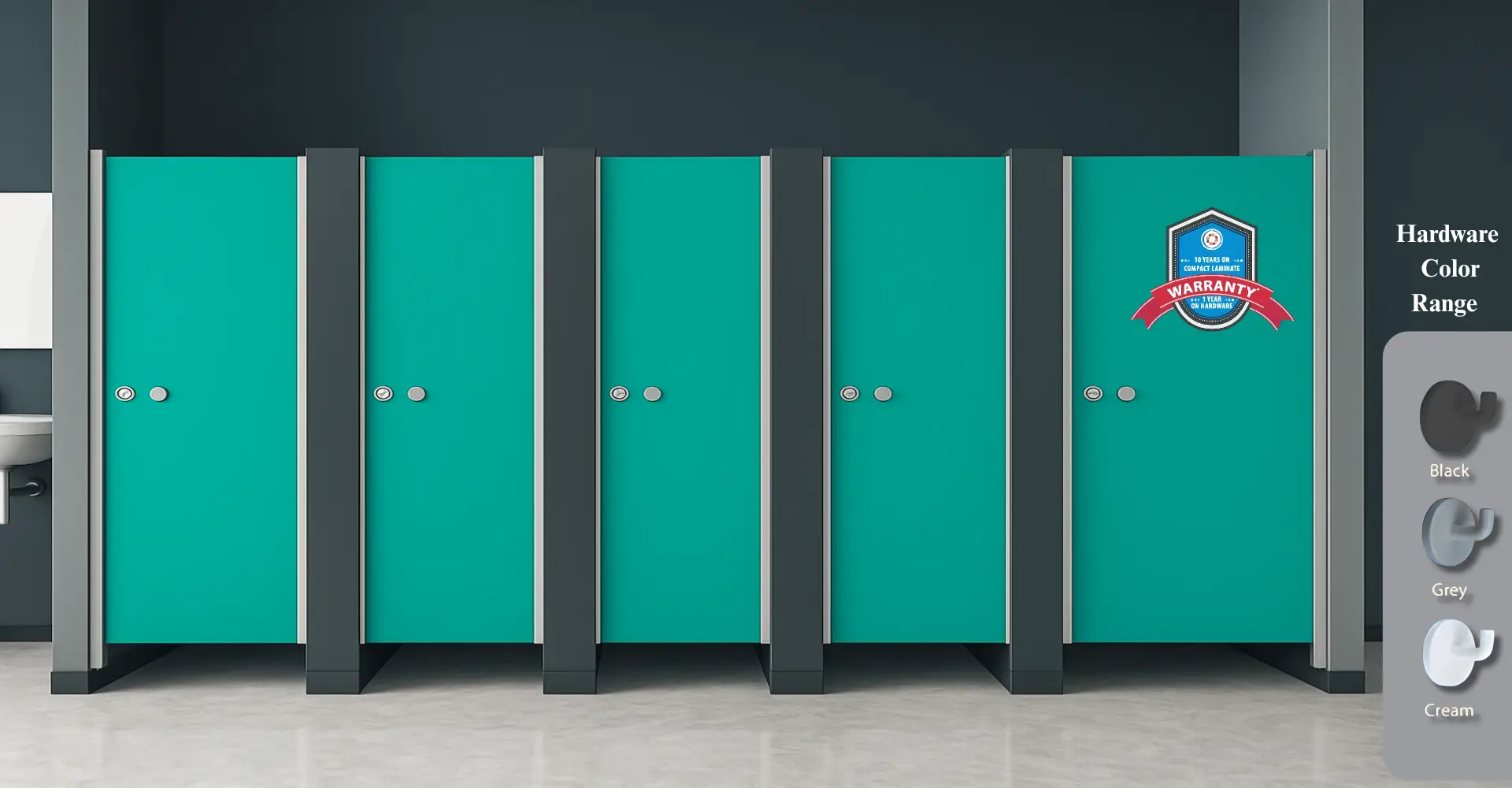
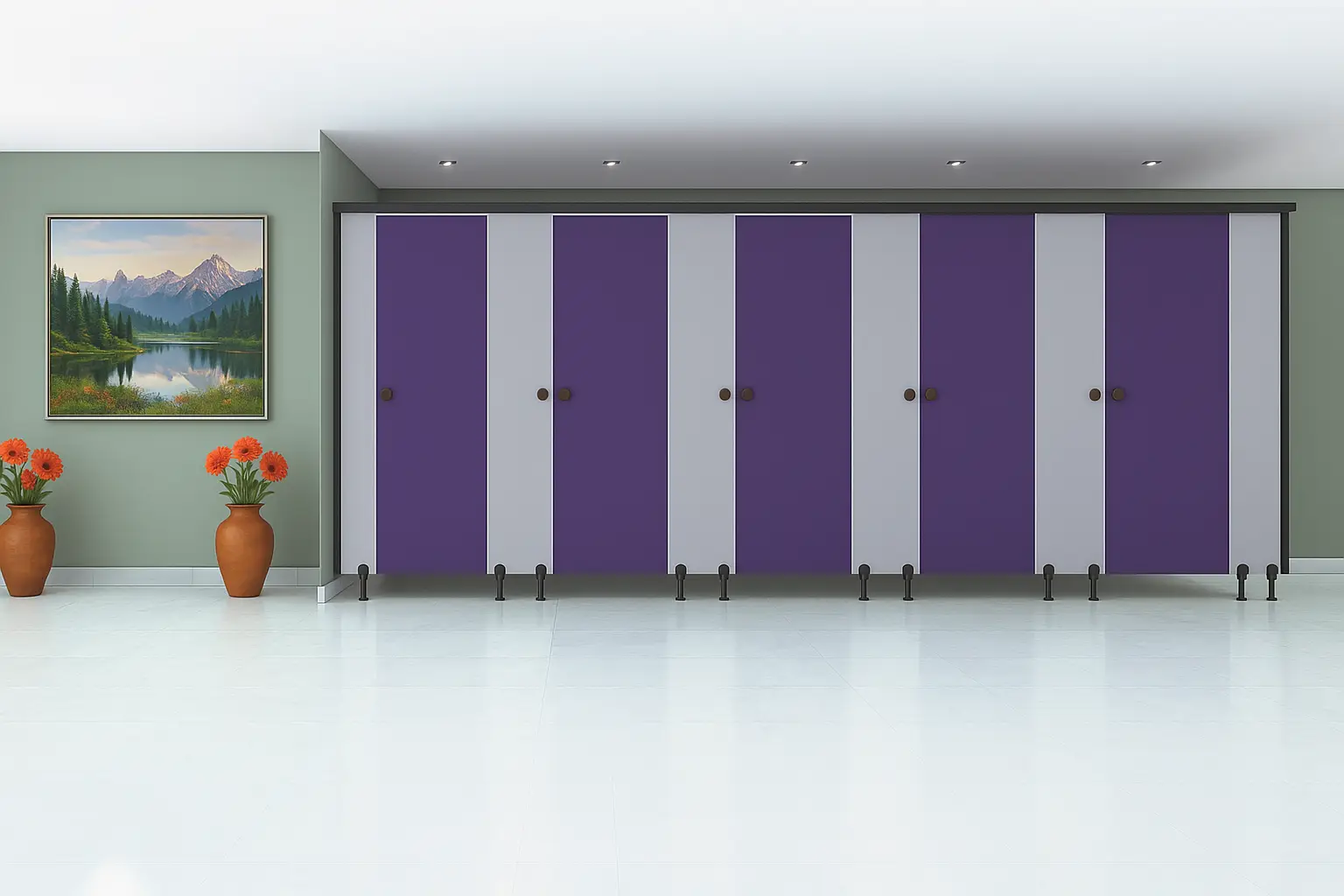
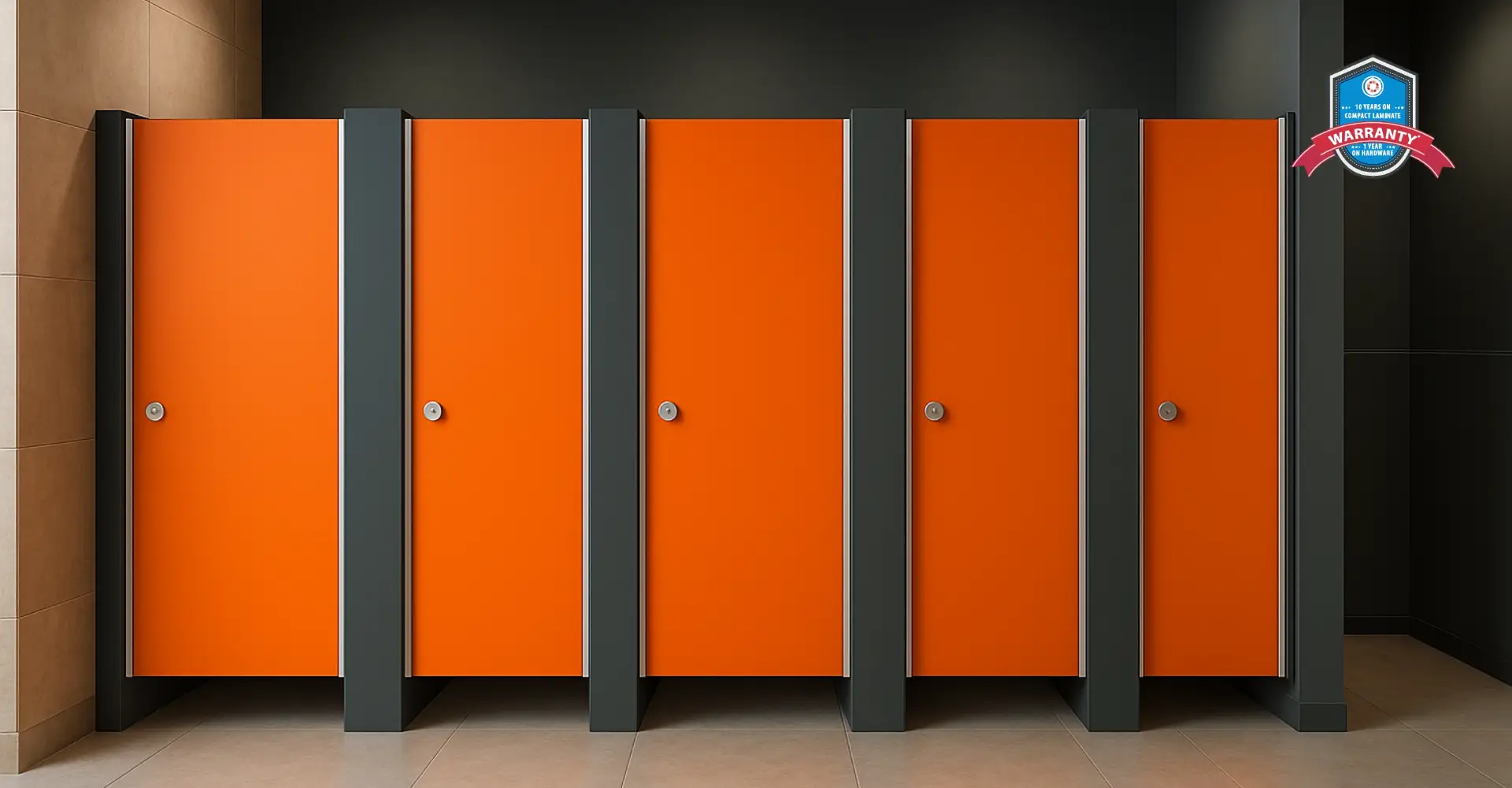
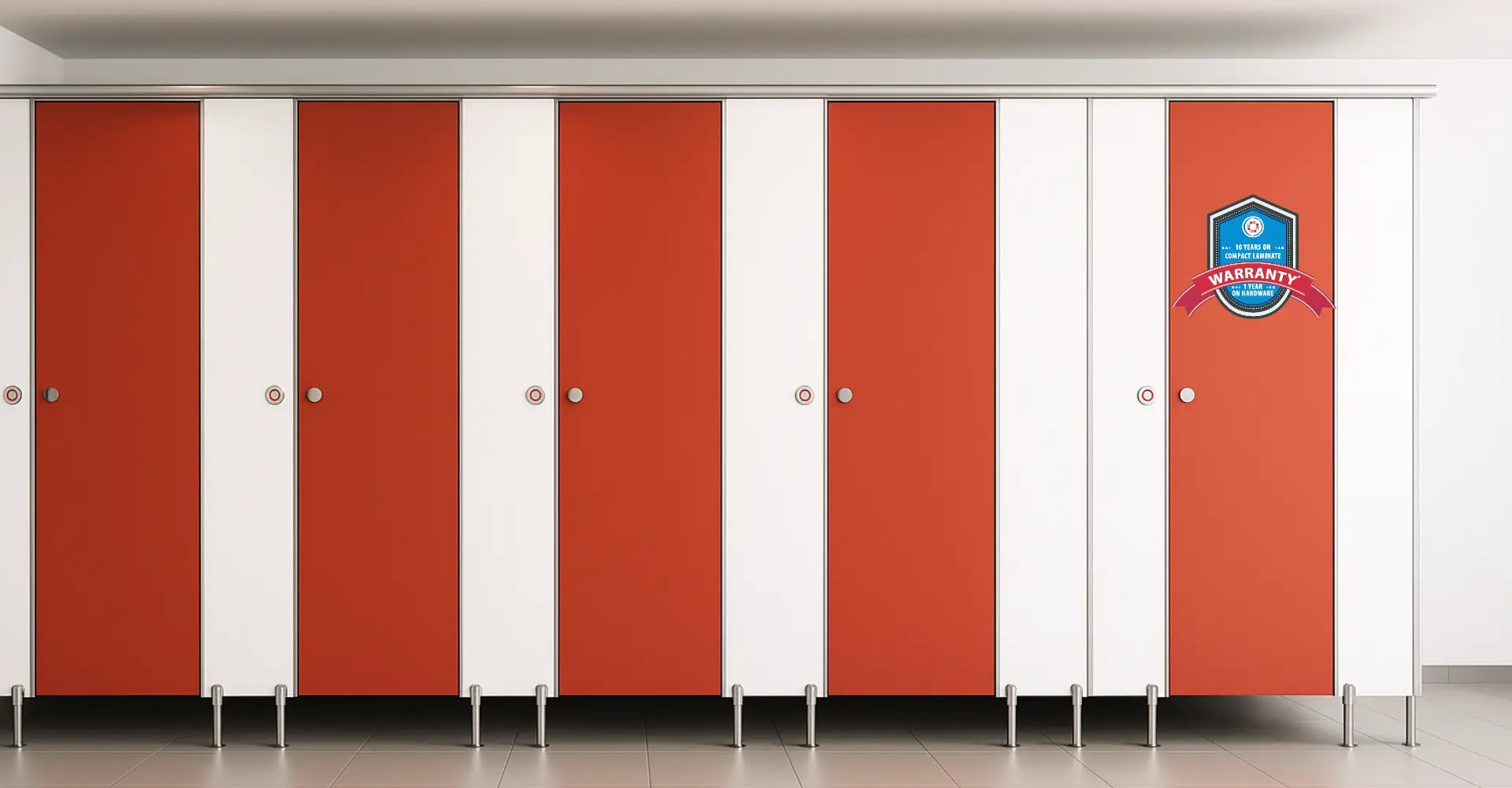
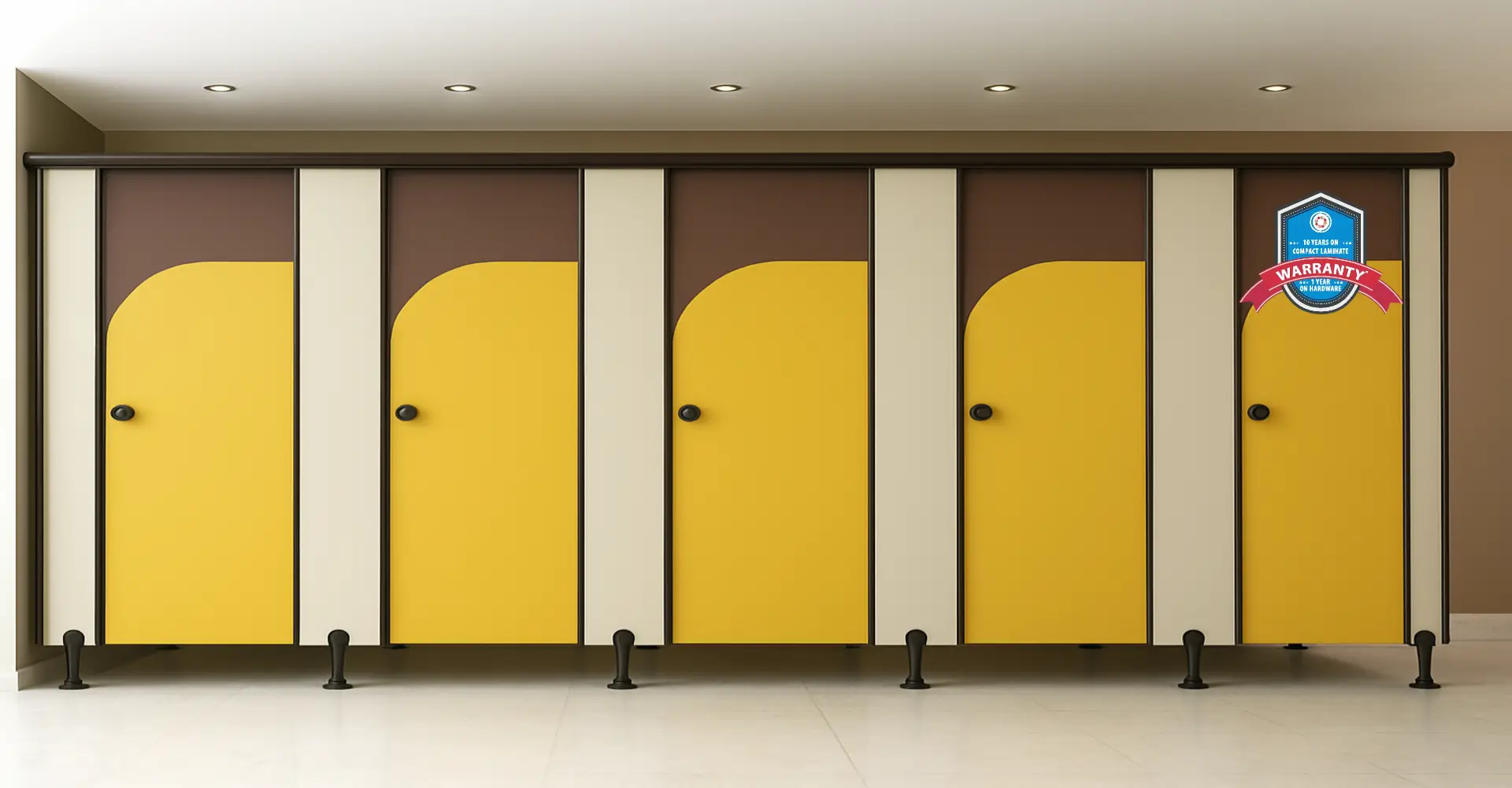
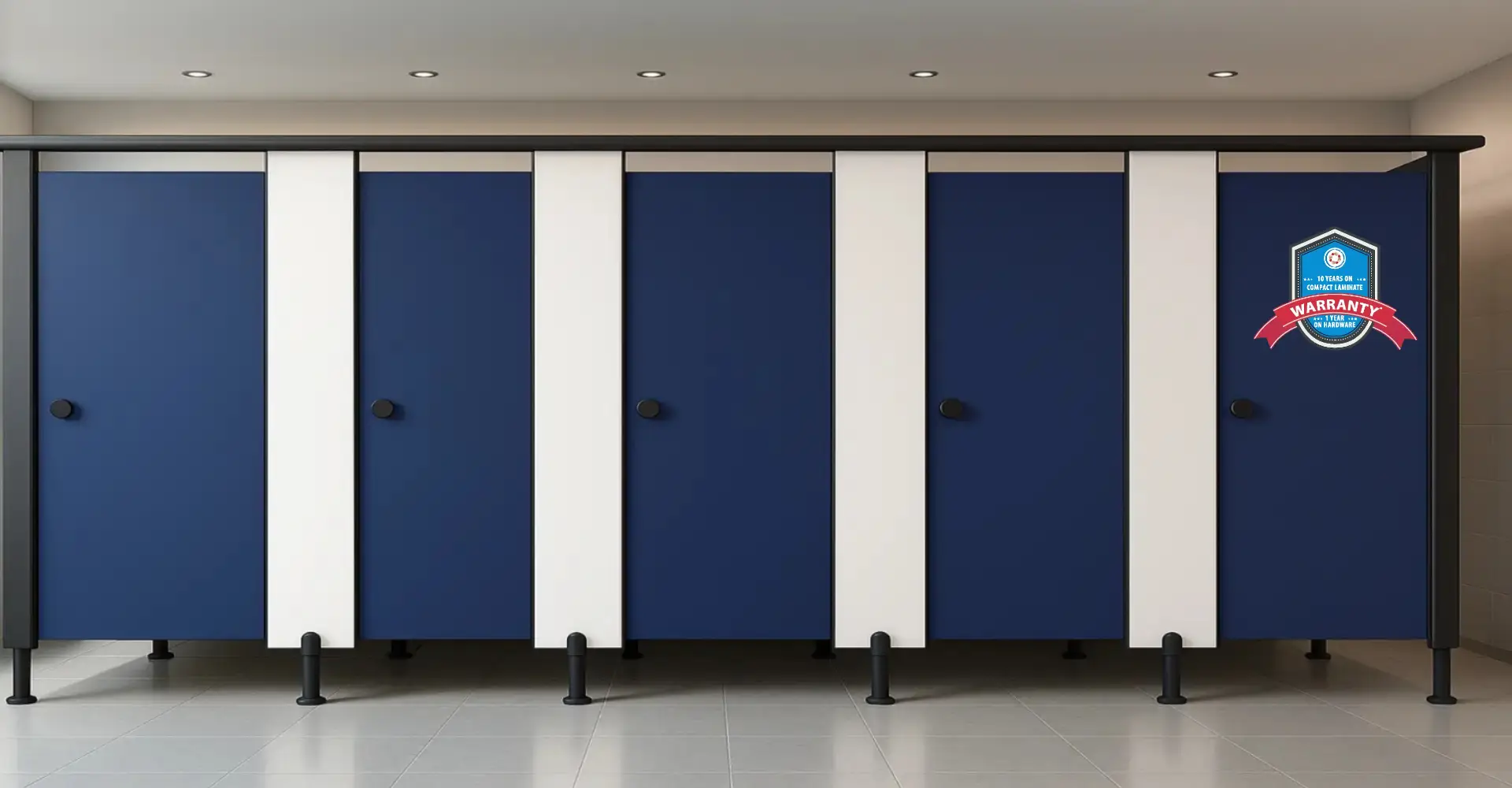
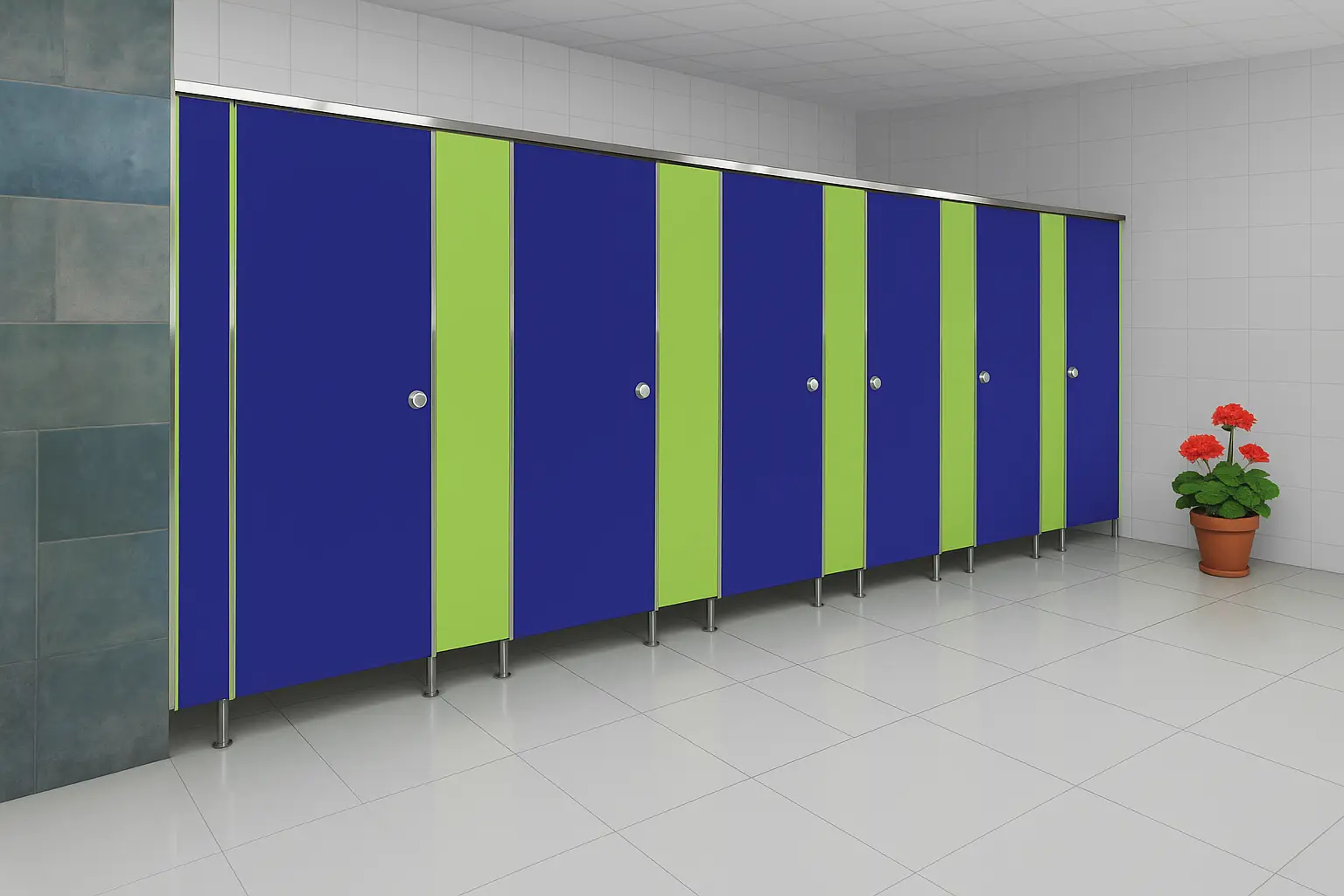
While neutral tones dominate minimalist design, there’s also a parallel trend toward vibrant colors and custom graphics — especially in hospitality, retail, and leisure spaces.
Designers are using:
- Accent color panels to establish brand identity
- Custom wall graphics or patterns
- Textured finishes for visual interest
These bold designs transform toilet spaces from purely functional areas into visually engaging environments.
Sustainable Hardware & Fittings
It’s not just the panels — even hardware and fittings are evolving. In 2026, toilet cubicle manufacturers are offering:
- Corrosion-resistant stainless steel hardware
- Durable, vandal-proof fittings
- Matte finish locks and handles for a premium appearance
Quality hardware enhances longevity and reduces long-term maintenance costs.
Integrated Sanitation Stations
An emerging trend is the integration of sanitation stations directly into cubicle designs. These may include:
- Hand sanitizer dispensers
- Tissue holders
- Waste disposal units
By incorporating these elements into the cubicle design, facilities offer a more hygienic and user-friendly experience.
Noise-Reducing Partitions
Privacy is not just about walls — it’s about acoustics. Noise-reducing cubicle partitions are becoming popular in office buildings and upscale venues.
These partitions feature:
- Acoustic core materials
- Sealed edges for sound control
- Dense panel compositions
Reduced noise improves the overall user experience and adds a premium feel to washroom environments.
Floor-to-Ceiling & Ceiling-Hung Systems
Two structural styles are trending in 2026:
Floor-to-Ceiling Partitions
- Maximize privacy
- Ideal for high-end spaces (hotels, premium offices)
Ceiling-Hung Partitions
- Easier to clean under the cubicle
- Faster installation
- Preferred in high-traffic commercial settings
Both systems have their advantages — choice depends on budget, architectural constraints, and desired aesthetics.
QR Codes for Maintenance & Feedback
In a smart facility management ecosystem, QR codes on cubicle partitions help streamline services:
- Report maintenance issues
- Log cleaning schedules
- Gather user feedback
This trend reflects a move toward data-driven washroom management, especially in malls, airports, and campuses.
1Sustainability Beyond Materials: Water & Energy Conservation
Toilet cubicle design now considers overall sustainability:
- Low-flow fixtures nearby
- Sensor-activated faucets
- LED lighting with motion sensors
While these features are not part of cubicle panels themselves, they are part of a holistic washroom design approach in 2026.
Conclusion
The latest trends in toilet cubicle partition design for 2026 reflect a holistic evolution — one that balances aesthetics, technology, sustainability, comfort, and accessibility. Whether you’re an architect, facility manager, or business owner planning a new project, these design trends can guide you toward creating washroom spaces that are safe, stylish, and user-centric.
From smart partitions with occupancy sensors to modular systems and antimicrobial surfaces, the future of toilet cubicle design is innovative and user-focused.
Call to Action
If you’re looking for a trusted toilet cubicle partition manufacturer who specializes in modern, durable, and customizable solutions, contact us today — Ryka Restroom Cubicles can help bring your 2026 washroom designs to life!