
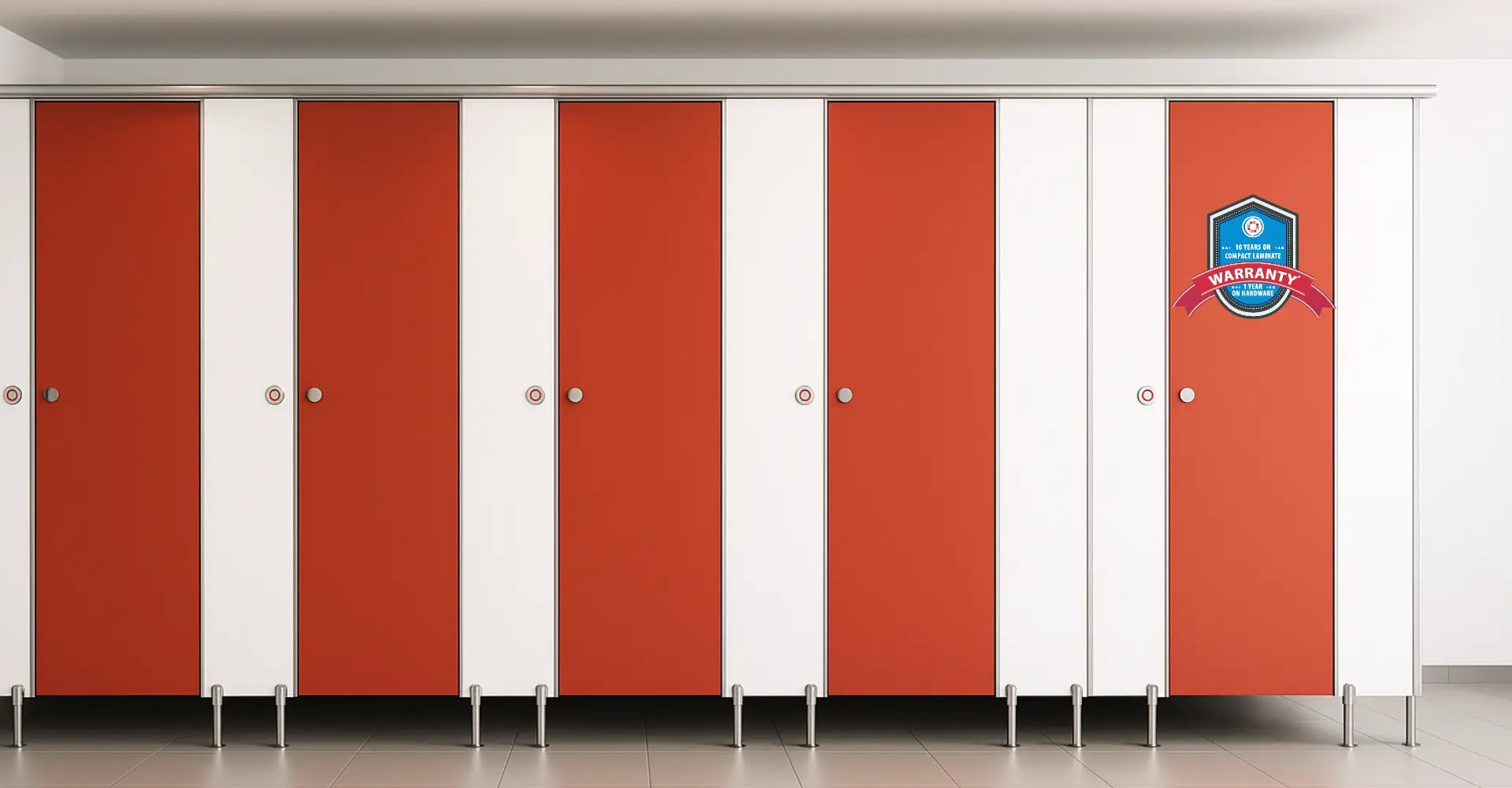
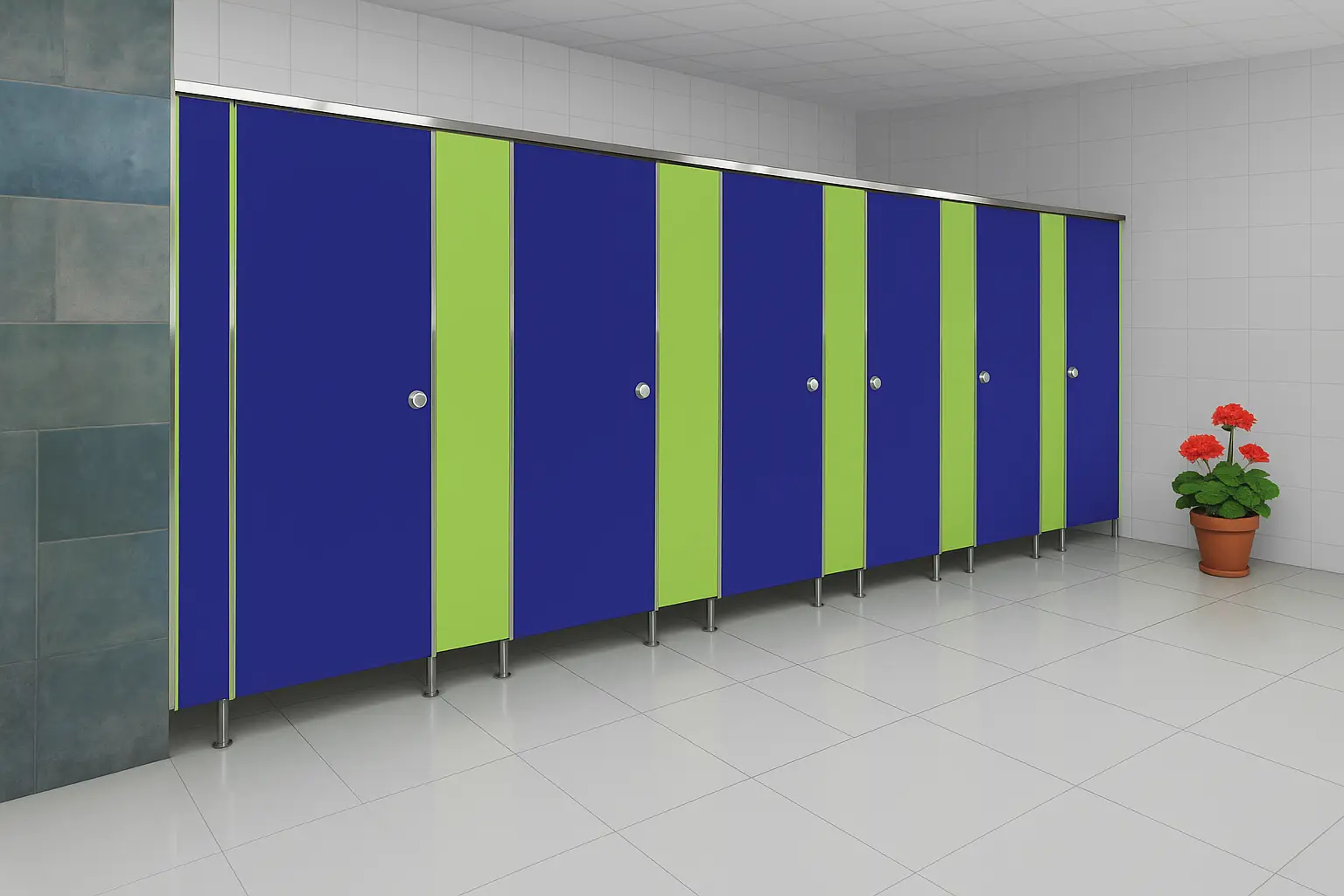
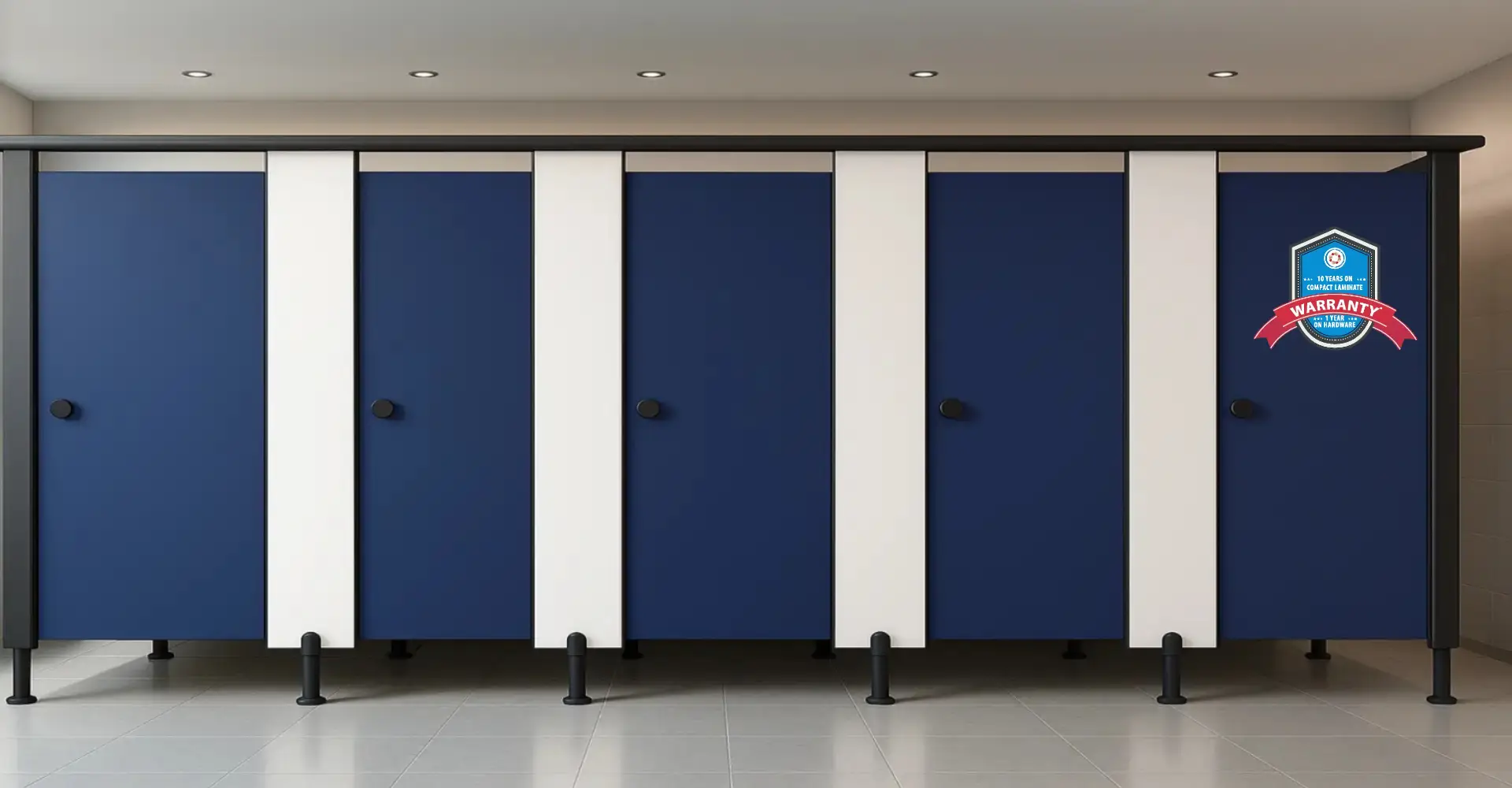
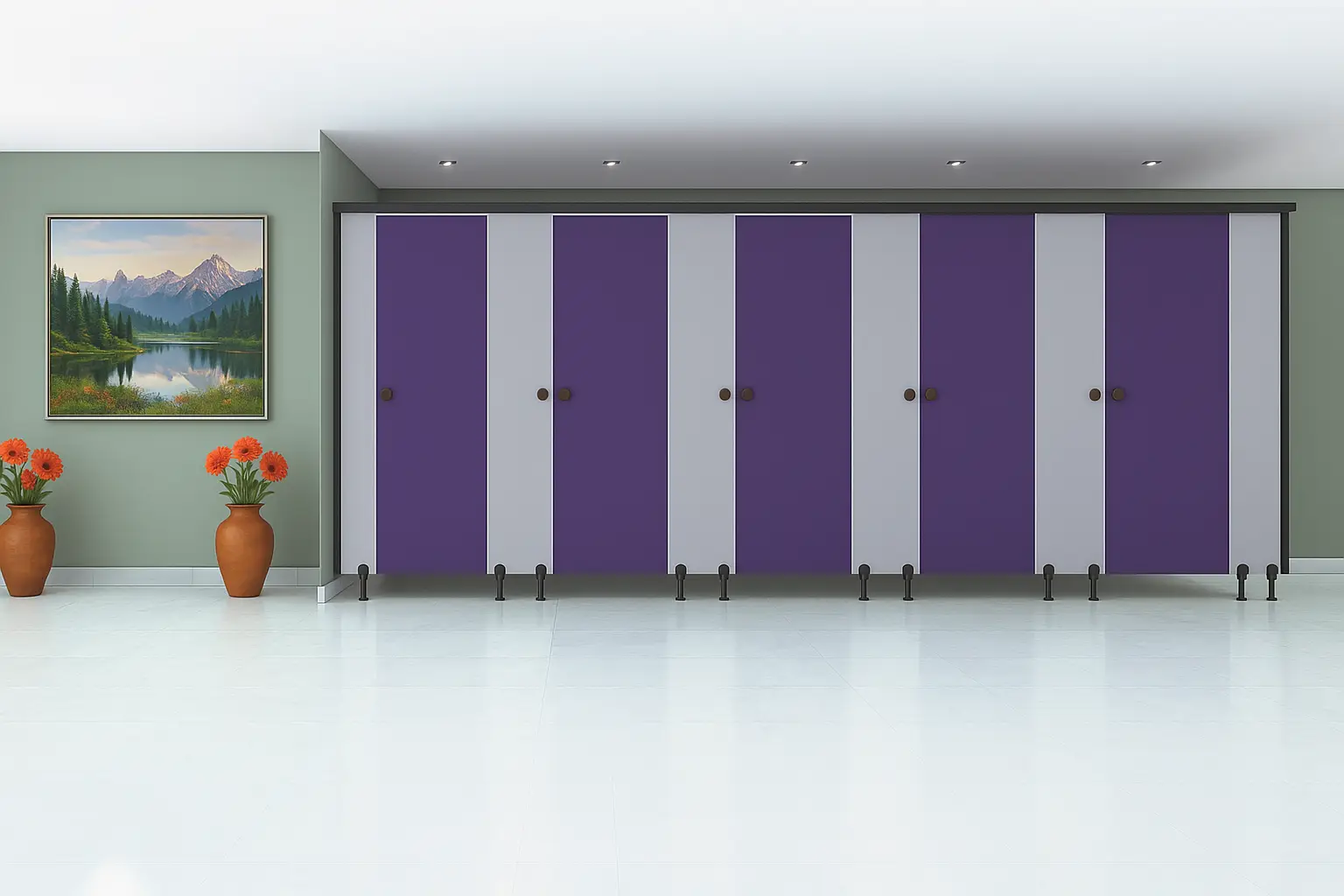
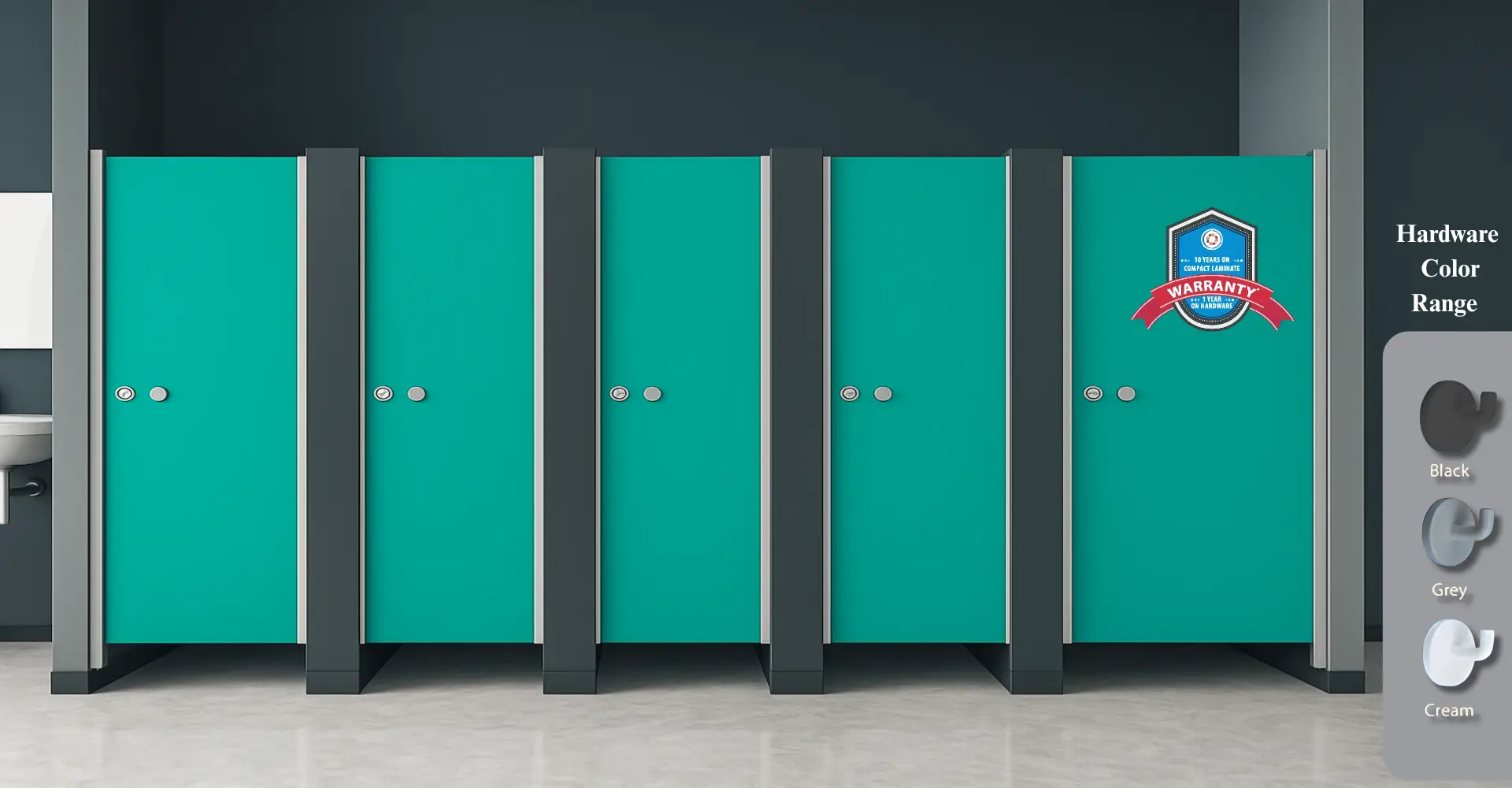
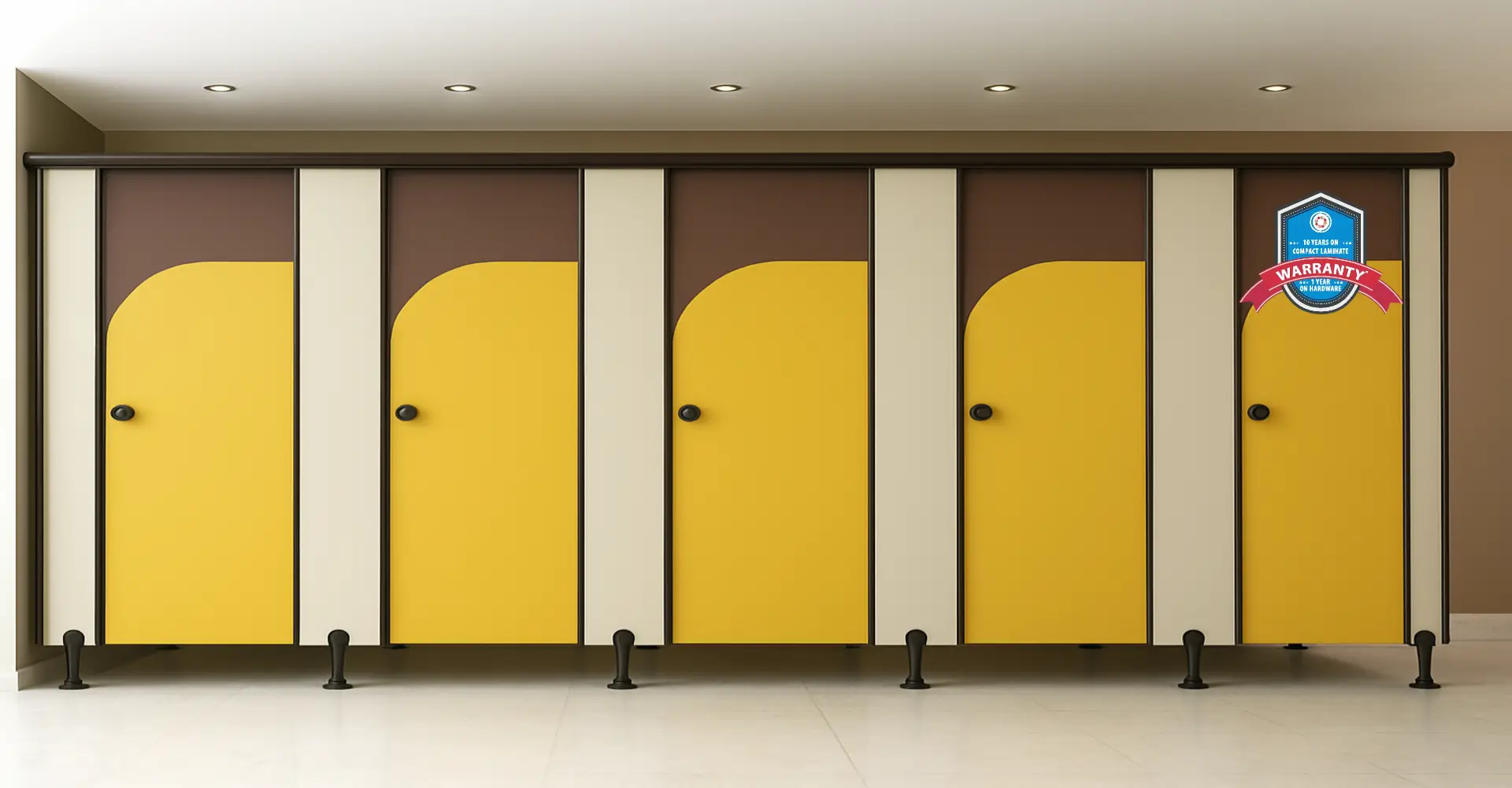
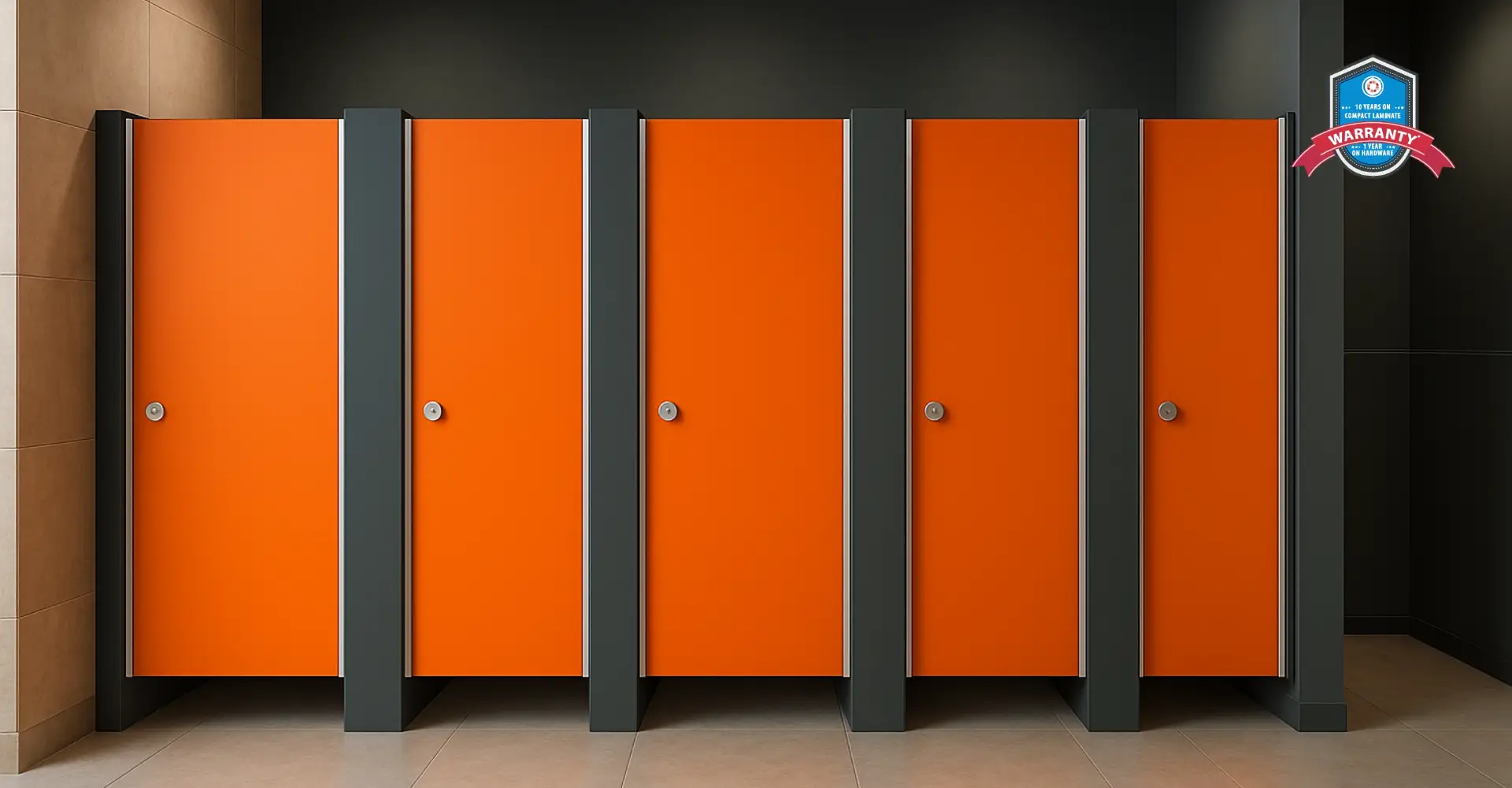
Public restroom partitions are the dividers and stall walls used in commercial and institutional washrooms (such as schools, malls, offices, airports, and hospitals) to create individual toilet or urinal spaces for privacy, hygiene, and organization.
They don’t just separate toilets — they help manage flow, privacy, safety, maintenance, and accessibility in high-traffic environments. Good partitions also support compliance with building codes (like ADA in the U.S.) and design goals.
Why Public Restroom Partitions Matter
1. Privacy & Comfort
Partitions create a personal space for each user, enhancing comfort and dignity.
2. Hygiene & Cleanliness
They help contain splashes and odors, and when made from the right materials, simplify daily cleaning and disinfection.
3. Durability & Longevity
Commercial restrooms see heavy use — selecting the right partition materials means less repair, replacement, and maintenance over time.
4. Aesthetic & Design
Partitions contribute to a restroom’s visual appeal and can complement the overall interior design.
Common Types of Public Restroom Partitions
Partitions can be grouped by material, style, and mounting type. Each type comes with pros, cons, and uses.
1. Powder-Coated Steel Partitions
- Description: Steel panels coated with colored powder for a smooth finish.
- Pros: Affordable, easy to paint, available in many colors.
- Cons: Can rust in humid conditions and is less resistant to moisture than other materials.
- Best Uses: Offices, light-traffic commercial spaces.
2. Solid Plastic (HDPE) Partitions
- Description: Made from high-density polyethylene — a tough plastic that’s solid color throughout.
- Pros: Moisture-proof, graffiti-resistant, doesn’t rust or delaminate.
- Cons: Fewer color/customization options than laminate.
- Best Uses: High-traffic restrooms (schools, stadiums), wet areas.
3. Stainless Steel Partitions
- Description: Durable metal with a sleek, polished look.
- Pros: Corrosion-resistant, easy to clean, great for high-end or high-use restrooms.
- Cons: Higher upfront cost.
- Best Uses: Corporate buildings, airports, luxury facilities.
4. Phenolic Core Partitions
- Description: Layers of kraft paper or similar materials compressed with resin to form a solid, dense panel.
- Pros: Very strong, moisture-resistant, long-lasting.
- Cons: Premium cost.
- Best Uses: High-traffic public restrooms, gym locker rooms.
5. Plastic Laminate Partitions
- Description: Decorative laminate surface over a core (often particleboard).
- Pros: Customizable aesthetics, wide range of finishes.
- Cons: Not ideal for continuously wet areas.
- Best Uses: Moderate-traffic spaces where design matters.
Common Mounting & Style Variations
Mounting styles determine how partitions are supported — and affect stability, ease of cleaning, and privacy.
- Overhead Braced: Most popular — panels are supported by a horizontal bar across the top.
- Floor Anchored: Bolted to the floor — stable, good for low ceilings.
- Floor-to-Ceiling: Maximum privacy and stability.
- Ceiling Hung: Suspended from above — easy to clean underneath.
Typical Uses & Contexts
Public restroom partitions are used in:
- Commercial buildings (offices, malls)
- Transportation hubs (airports, train stations)
- Educational institutions (schools, universities)
- Healthcare facilities
- Recreation centers (gyms, stadiums)
- Hospitality (hotels, restaurants)
Their design and material choice depend largely on traffic level, moisture exposure, cleaning needs, privacy expectations, and budget.
How to Choose the Right Partition
When selecting partitions, professionals consider:
✔ Durability vs. Cost – Higher-end materials cost more but last longer.
✔ Moisture Exposure – Wet spaces need water-resistant materials.
✔ Design & Branding – Custom colors and finishes support interior aesthetics.
✔ Maintenance & Cleaning – Non-porous surfaces are easier to clean.
✔ Accessibility & Compliance – ADA and local building-code requirements may dictate stall sizes and hardware.
Conclusion
Public restroom partitions are essential structural and design components in any shared washroom space. They provide privacy, durability, hygiene, and visual appeal, and they come in various materials and styles suited to different environments and budgets. Choosing the right type helps improve user comfort, lower maintenance costs, and support efficient facility management. Ryka Restroom Cubicles are an amazing mix of restroom visual appeal & equally essential. Team Interior Solutions cubicles offer guaranteed customer satisfaction.