
Introduction
The most common question that facility managers will pose when creating restrooms in public, commercial, or institutional spaces is: Why do restroom designs vary across the globe? Or, how do cultural customs affect toilet cubicle designs?
The solution is in the preferences of cultures. Culture has a deep influence on the construction and usage of toilet rooms regarding the type of toilet, degree of privacy, hygienic habits, materials, and aesthetics. These nuances are critical to developing effective, comfortable, and safe restrooms that will suit various users.
Another advantage of Ryka Restroom Cubicles as a Toilet Cubicles Partitions Manufacturer is the wide experience in designing partitions that meet the local practices, climatic factors, accessibility requirements and expectations of the users. This guide explores:
- Toilet type and cubicle setup and cultural effects.
- Expectations of privacy and partition design.
- Climate-based and local practice material choice.
- The restroom should be gender sensitive and inclusive.
- Cleanliness and its influence on divisions.
- Aesthetic preferences, signage, and branding.
- Usability and accessibility.
- Examples of cases in other areas.
- Choosing the appropriate Toilet cubicle partitions manufacturer
- The trends in culturally aware restroom design in the future.
1. Toilet Type: Sit-Down vs. Squat
One of the typical forms of voice-search questions is as follows: How do cultural habits affect the type of toilet?
The type of toilets also changes considerably between cultures:
- Western nations: Sit-down toilets are in control. They need complete partitions that are tall enough to offer privacy and comfort, especially in office buildings, schools, and facilities.
- Eastern and Middle East: Squatting toilets are common in most parts of Asia, the Middle East, and various parts of Europe. Squat toilets influence the design of floors, drainage, and the size of cubicles.
- Mixed or compromising designs: In facilities that are designed to accommodate visitors with diverse cultural backgrounds, the design could have both sit-down and squat toilets.
Ryka Restroom Cubicles shall provide customized solutions regarding the two varieties of toilets and guarantee maximum privacy, comfort, and safety to the users.
Case in point: Cubicles in a large Indian airport were created with sit-down and squat seating arrangements to facilitate the option of choice by the traveller, depending on his/her preference and cultural inclination.
2. Privacy Expectations and Partition Heights
Voice-search question: What is the impact of culture on toilet cubicle privacy?
Privacy is much affected by cultural norms:
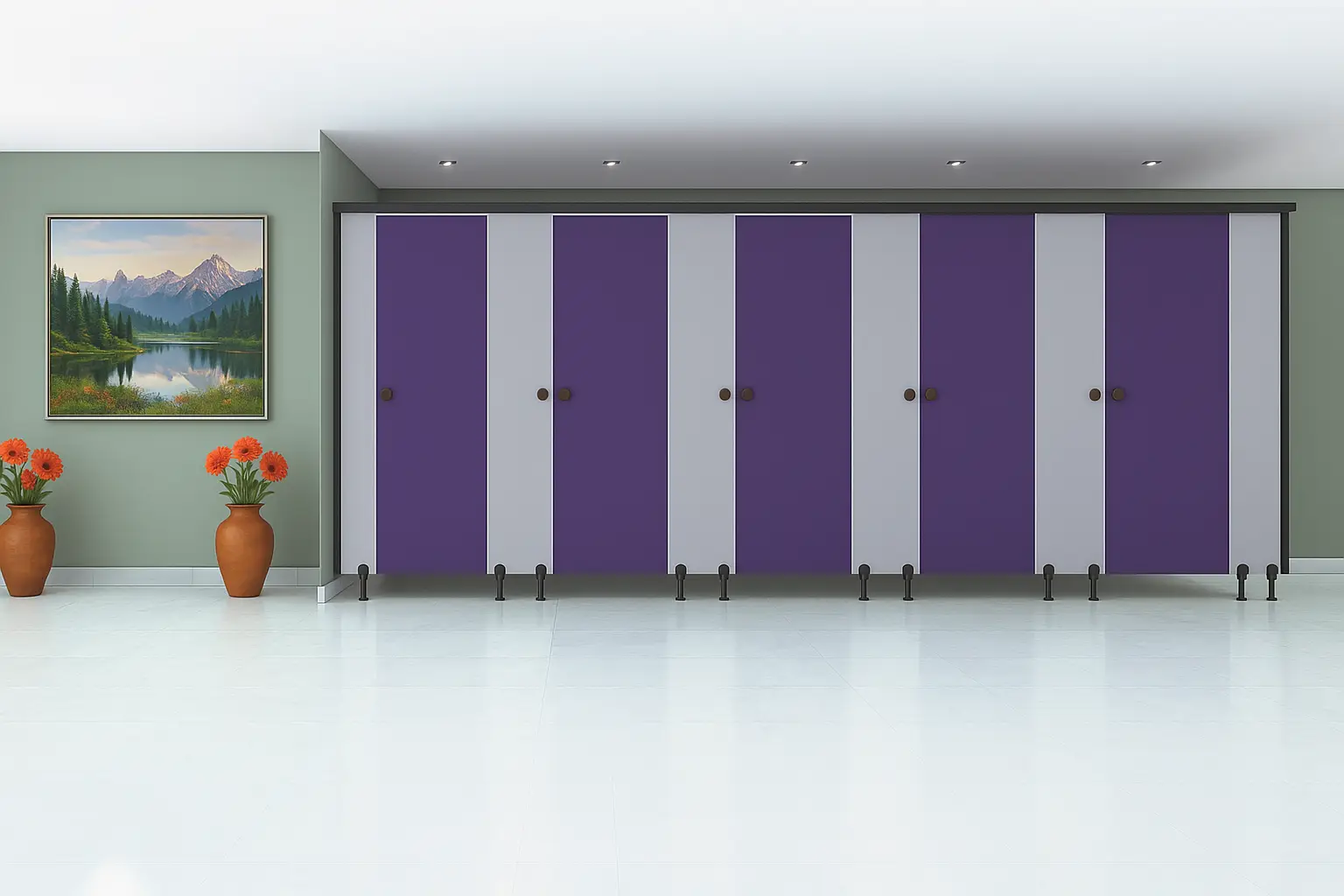
- High-privacy cultures: Standard floor-to-ceiling partitions are used with door locks and little penetration. Customers are safe, especially women and the elderly.
- Moderate-privacy cultures: This type of partition can range between 80 and 90 percent of the height and is a compromise between the privacy and maintenance and ventilation requirements.
- Fewer privacy areas: Smaller partitions or semi-partitions might be tolerated, typically in school restrooms or mixed male/female areas.
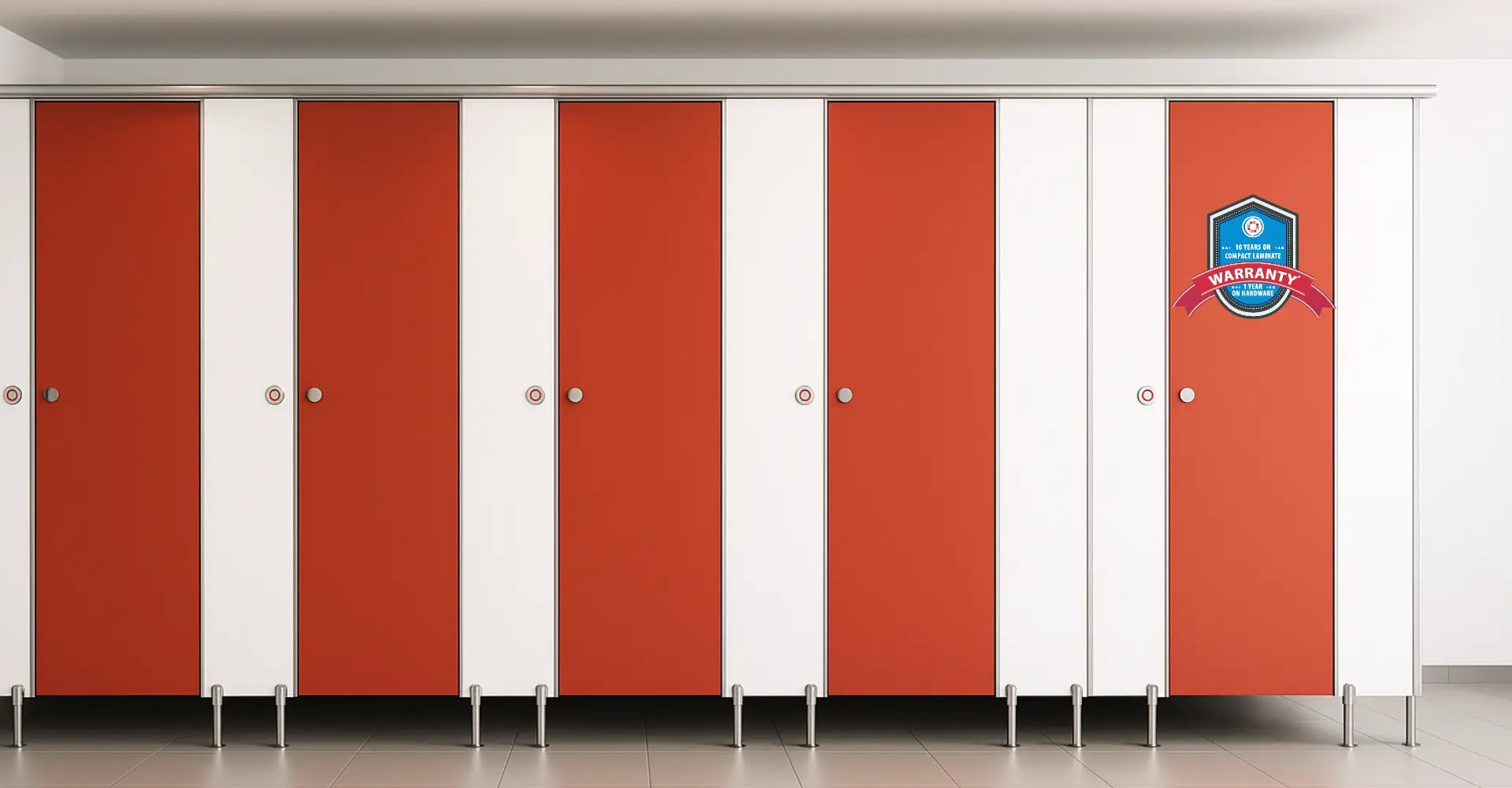
The height of the partition can be used to guarantee comfort and security without losing functionality. Ryka Restroom Cubicles offers individual cultural heights and doors that can be locked.
3. The choice of materials used affected culture and climate.
An example of a natural question used as voice search: What is the best material to use in culturally sensitive toilet cubicles?
The choice of material is determined by weather conditions, washing culture, and cultural preferences:
- Damp climates: Phenolic boards and metals that are coated with powder can withstand water, rust, and bacterial infections.
- Movable weather: Laminated HPL or wood veneers are cheap and aesthetically pleasing.
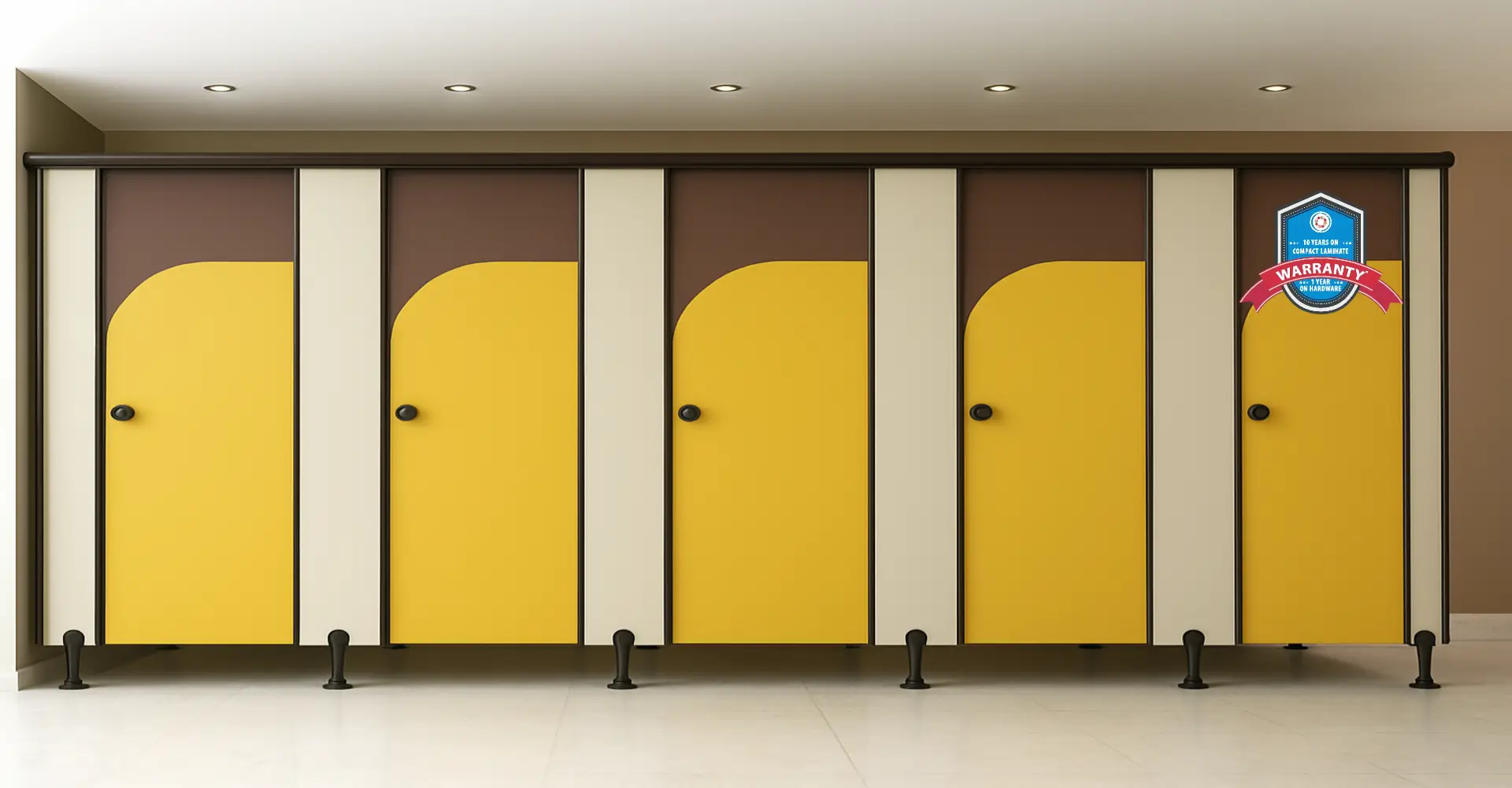
- Aesthetics Cultural: In some areas, the use of bright colors, finishes, and traditional patterns may be favored.
- Sensitive places: HPL, phenolic, or powder-coated metals are durable materials that guarantee prolonged performance.
The product offers a variety of materials and finishes to suit the local culture, climate, and user expectations with Ryka Restroom Cubicles.
4. Gender-sensitive Design issues.
Voice-search query: What are the cultural norms that affect restroom design for women?
- Privacy improvements: Floor-to-ceiling walls, sturdy doors, and visual screens are essential in a culture that holds female privacy in high values.
- Sanitary disposal units: Sanitary facilities have to be installed in the female cubicles.
- Separate and unisex toilets: Gender-specific restrooms are culturally required in certain areas, and unisex toilets can be used in other areas.
- Safety features: Rounded corners, safety locks, and safety alerts minimize accidents and make it more comfortable.
Ryka Restroom Cubicles will be capable of meeting the cultural requirements of gender sensitive designs.
5. Accessibility and Inclusive Design
Voice-search query: What are the effects of cultural norms on access in the restrooms?
The cultural beliefs about accessibility affect the restroom design and cubicle characteristics:
- Caregivers and children are taken care of in family restrooms.
- Larger cubicles, grab bars, and low sinks assist people with disabilities.
- Some cultures focus on observable features of accessibility, and some focus on covert addition.
Ryka Restroom Cubicles has inclusive cubicles, which are culturally and accessibility friendly.
6. Cubicle Design and Hygiene Practices.
Voice-search query: What are the effects of cultural hygiene habits on toilet cubicle design?
The Hygiene practices influence the choice of material, cubicle arrangement, and choice of fixtures:
- Culture of cleaning with water: It needs damp-resistant panels, non-permeable floors, and proper drainage.
- Cultures of dry cleaners: Smooth surfaces and wipe-cleanable surfaces are given preference.
- Bidet or hand-spray users: Bidet and space planning are necessities.
The hygiene standards are also reflected in partition durability, design of doors, as well as surface finish, to guarantee the long-term cleanliness and safety.
7. Color, Aesthetics, and Branding
Voice-search query: Do cultural orientations have any influence on the aesthetics of the restroom?
- Bright colors or traditional patterns are trendy in culturally expressive areas.
- Corporate and Western facilities have minimalist, neutral tones.
- The opportunities for branding are being demanded more in office, hotel, and retail settings.
Ryka Restroom Cubicles offers customized culture-oriented finishes that can be customized to meet cultural expectations, facility branding, and design aesthetics.
8. Signage and Wayfinding
Voice-search query: What is the role of culture in restroom signage?
The multilingual signage makes provision of international users.
- Braille or touch points will help blind people.
- Such cultural norms define iconography (dressing, gender icons).
- The aspect of color contrast enhances the readability in the least literate areas.
- Precise signage improves end-user comfort and ease of use.
9. Case Studies: Practical Applications.
9.1 Corporate Office in India
- Issue: The workers needed more space and more convenient divisions.
- Resolution: Powder-coated metal frame and ceiling-to-floor phenolic panels.
- Result: Improved privacy, cleanliness, and staff contentment.
9.2 European Airport
- Issue: Busy spaces required flexible cubicles to be used by cultural diversities.
- Remedy: Modular HPL is divided into distinct signified parts.
- Result: Effective circulation, wear-durability, and applicability.
9.3 Japanese Public Facility
- Issue: Squat toilets and water hygiene demanded partitions that were moisture-resistant.
- resolution: Water-resistant powder-coated metal cubicles.
- Outcome: Healthy, clean, and culturally sensitive solution.
10. Maintaining and Hygiene Practice
Voice-search question: How does cleaning practice affect cubicle maintenance?
- Wet cleaning: Need waterproof wiping materials.
- Dry cleaning: Smooth laminates or powder-coated metals are desirable.
- Frequent checks eliminate wear and extend the service of cubicles.
Ease of maintenance design will guarantee long life use and economy.
11. Cost and Long-Term Benefits
Voice-search question: Does it make sense to invest in culturally adjusted cubicles?
- Strong materials save on repair and replacement expenses.
- Adherence to the cultural demands increases user satisfaction.
- The long-term partitions are ROI in terms of less maintenance.
A better reputation of the facilities is promoted by increased inclusiveness and comfort.
Culturally sensitive cubicles would be economically and socially viable to invest in.
12. Prospects of the Culturally Sensitive Restrooms.
Voice-search query: What is the future of culturally sensitive restroom design?
Intelligent cubicles with movement sensors, auto cleaning reminders, and touch-free fittings.
- Changeable modular partitions.
- Hygienic regions with anti-microbial finishes.
- Connected branding and personalized finishes.
- Equal and family-friendly buildings in community amenities.
Ryka Restroom Cubicles is still innovative, and it integrates cultural compatibility with durability, beauty as well and security.
Conclusion
Toilet cubicle design is highly dependent on cultural preferences. Key takeaways:
- Toilet type (sit and squat) has an impact on partition and layout design.
- The expectations of privacy determine the partition height and the design of the door.
- The material choice depends on climate, hygiene, and aesthetics.
- Usability is improved with the help of gender-sensitive, inclusive, and accessible designs.
- Cultural identity is manifested in signage, color, and branding.
By selecting a reputable Toilet Cubicles Partition Manufacturer such as Ryka Restroom Cubicles, you will get:
- Designs that are culturally compatible, safe, and hygienic.
- Sturdy and maintenance-free materials.
- Aesthetics and branding: Customizable finishes.
- Adherence to accessibility criteria.
Through the knowledge of cultural factors, the architects, developers, and facility managers will be able to design restrooms that are practical, inclusive, and aesthetically pleasing, and still satisfy the diverse users.